

Disclosure: As an Amazon Associate, Curry Ingredients earns from qualifying purchases. If you buy through links on this page we may earn a small commission at no extra cost to you. We only recommend gear that suits the curries we cook on this site.
Choosing the best basmati rice for biryani is the difference between a biryani with long, separate, fragrant grains and one that turns sticky and broken. The rice is half the dish, so it is worth knowing what to look for on the bag. This guide also works for pulao, jeera rice and plain rice to serve with butter chicken or paneer makhani.
What Makes Basmati Rice Good for Biryani?
- Aged rice: basmati that has been aged for one to two years cooks up drier, longer and less sticky. Look for “aged” or “extra aged” on the label.
- Extra-long grain: varieties such as 1121 grow very long when cooked – perfect for layered biryani.
- Few broken grains: good bags contain mostly whole grains. Broken rice turns mushy.
- Aroma: real basmati has a light, nutty, popcorn-like scent, even before cooking.
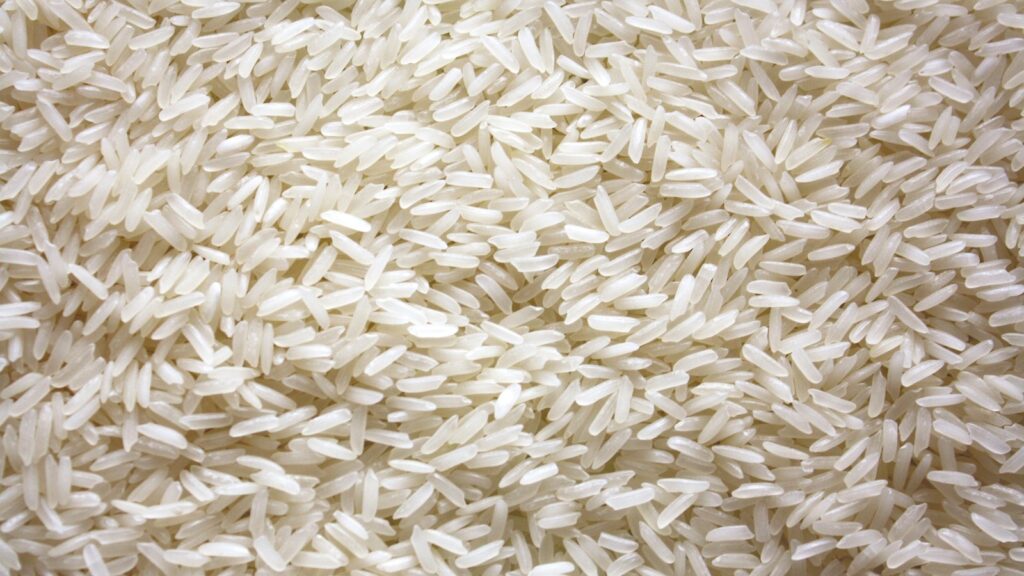
Types of Basmati Rice
- Traditional / classic basmati: the most fragrant, with slightly shorter grains. Excellent for everyday rice.
- 1121 extra-long grain: the longest grains – the favourite for restaurant-style biryani.
- Sella (parboiled) basmati: steamed before milling, so it is very hard to overcook. Popular in Pakistani biryani and with beginners.
- Brown basmati: more fibre and a nuttier taste, but takes longer to cook and isn’t traditional for biryani.
Basmati Rice Brands Cooks Trust
1. Tilda Pure Basmati
A widely available brand known for consistent, clean basmati with few broken grains. A safe choice for everyday rice and pulao.
Why we like it:
- Very consistent quality
- Easy to find
- Light and fluffy
Keep in mind:
- Grains are shorter than 1121 extra-long varieties
See Tilda Pure Basmati on Amazon →
2. Daawat or India Gate Extra Long (1121)
Indian brands with aged, extra-long 1121 basmati that stretches beautifully when cooked – ideal for dum biryani.
Why we like it:
- Very long grains
- Aged for better texture
- Great for layered biryani
Keep in mind:
- Needs careful rinsing and soaking for best results
See Daawat or India Gate Extra Long (1121) on Amazon →
3. Sella (Parboiled) Basmati
The forgiving option. Sella basmati stays firm and separate even if you add a little too much water – great for big batches and parties.
Why we like it:
- Very hard to overcook
- Grains stay separate
- Good for large batches
Keep in mind:
- Slightly less aroma than traditional basmati
- Needs a longer soak
See Sella (Parboiled) Basmati on Amazon →
How to Cook Basmati for Biryani
- Rinse the rice gently 4–5 times until the water runs almost clear.
- Soak for 30 minutes (45–60 minutes for sella).
- Boil in plenty of well-salted water with whole spices (bay leaf, cardamom, cloves, cinnamon).
- Drain at 70% cooked – the grain should still have a firm core. It finishes cooking on dum with the meat.
- Layer and steam on very low heat with a tight lid for 20–25 minutes, then rest before opening.
For plain everyday basmati, a good rice cooker makes it effortless. For colour and aroma, finish your biryani with a pinch of real saffron soaked in warm milk.
Frequently Asked Questions
Which basmati rice is best for biryani?
Aged, extra-long grain basmati such as 1121 is the most popular for biryani because the grains stay long and separate. Sella basmati is the most forgiving.
Should I soak basmati rice before cooking?
Yes. Soaking for about 30 minutes helps the grains cook evenly and grow longer without breaking.
What is the difference between basmati and jasmine rice?
Basmati has longer, drier grains that stay separate – ideal for biryani and curries. Jasmine rice is softer and slightly sticky, and is used in Thai cooking.

