
World of Curries: A Global Journey Through Iconic Flavors
Few dishes unite global cuisines quite like curry. This beloved comfort food transcends borders, appearing in kitchens from Mumbai to Tokyo, Kingston to Bangkok. What makes world curries so fascinating isn’t just their delicious flavors, but how each culture has adapted this concept into something uniquely their own. Whether simmered in coconut milk, yogurt, or tomato bases, spiced with complex masalas or simple curry powders, these aromatic dishes tell the story of centuries of cultural exchange and culinary innovation.
Join us as we explore ten iconic curry dishes from around the world, each with its own distinct personality and flavor profile. From the creamy butter chicken of North India to the fiery goat curry of Jamaica, we’ll uncover the essential ingredients, cooking techniques, and cultural significance behind these beloved dishes. Whether you’re a curry connoisseur or a curious beginner, this global curry journey promises to inspire your next kitchen adventure.
1. Indian Butter Chicken (Murgh Makhani)
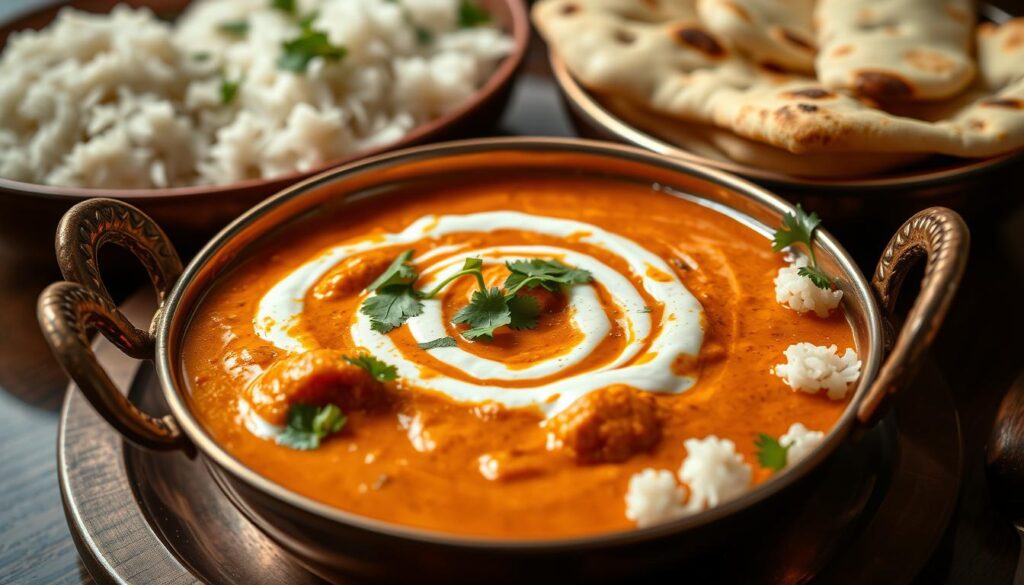
The iconic creamy texture and vibrant orange color of authentic Butter Chicken
Origin Story
Butter chicken was born in Delhi, India, in the 1950s at the Moti Mahal restaurant. Legend has it that chef Kundan Lal Gujral created this dish to utilize leftover tandoori chicken, simmering it in a buttery tomato gravy. What began as a creative solution to avoid food waste quickly became one of India’s most beloved culinary exports, captivating taste buds worldwide with its perfect balance of creaminess and subtle spice.
Key Ingredients & Flavor Profile
- Boneless chicken (traditionally tandoori-cooked first)
- Tomato puree for the signature tangy base
- Butter and cream for richness and silky texture
- Garam masala, fenugreek leaves, and cardamom for aromatic depth
- Mild heat with a sweet-savory balance and velvety mouthfeel
Cooking Tips
For authentic butter chicken, marinate your chicken in yogurt and spices overnight before cooking. The secret to the perfect sauce lies in using ripe tomatoes and letting them simmer until completely broken down. Finish with kasuri methi (dried fenugreek leaves) for that distinctive flavor that separates restaurant-quality butter chicken from homemade versions. Always add cream at the very end, off the heat, to prevent curdling.
2. Thai Green Curry (Kaeng Khiao Wan)
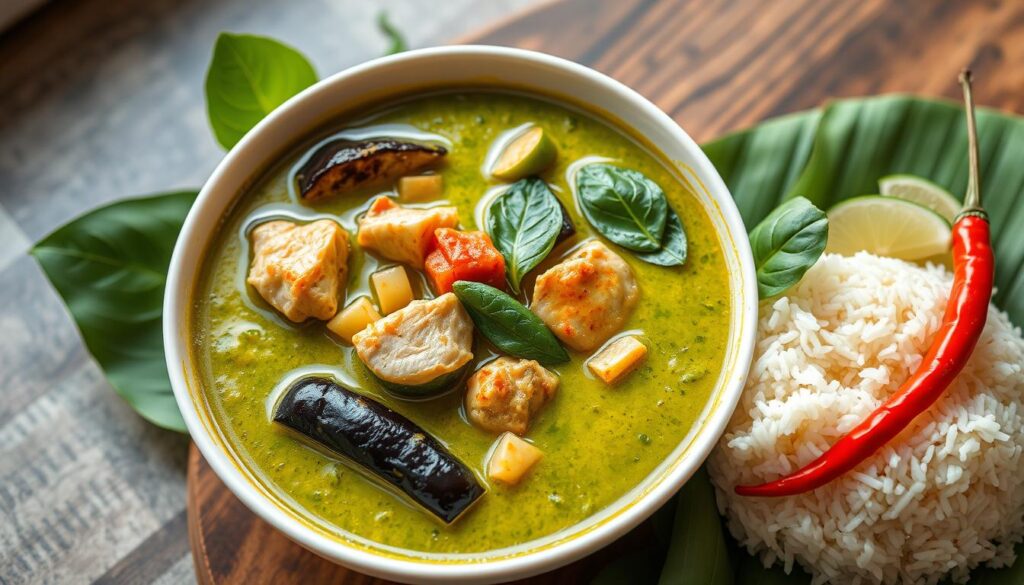
Vibrant Thai green curry with its characteristic bright color and aromatic herbs
Origin Story
Green curry originated in central Thailand and is believed to have developed during the reign of King Rama VI in the early 20th century. Its name comes from the color of its paste, which features fresh green chilies rather than the dried red ones used in other Thai curries. Considered the spiciest of Thai curries, this dish represents the perfect harmony between fiery heat and the cooling elements of coconut milk and fresh herbs.
Key Ingredients & Flavor Profile
- Fresh green chilies, the foundation of its distinctive color and heat
- Lemongrass, galangal, and kaffir lime leaves for citrusy aromatics
- Coconut milk to temper the heat and create a silky broth
- Thai basil and coriander for fresh, herbal notes
- Complex flavor profile: spicy, sweet, savory with bright herbal undertones
Cooking Tips
For the most authentic flavor, make your own green curry paste by pounding the ingredients in a mortar and pestle rather than using a food processor. This releases the essential oils more effectively. Always “crack” your coconut milk by heating it until the oil separates before adding the curry paste – this technique helps the paste bloom and intensifies the flavors. Add vegetables in stages based on cooking time to ensure nothing gets overcooked.
3. Japanese Curry (Kare Raisu)
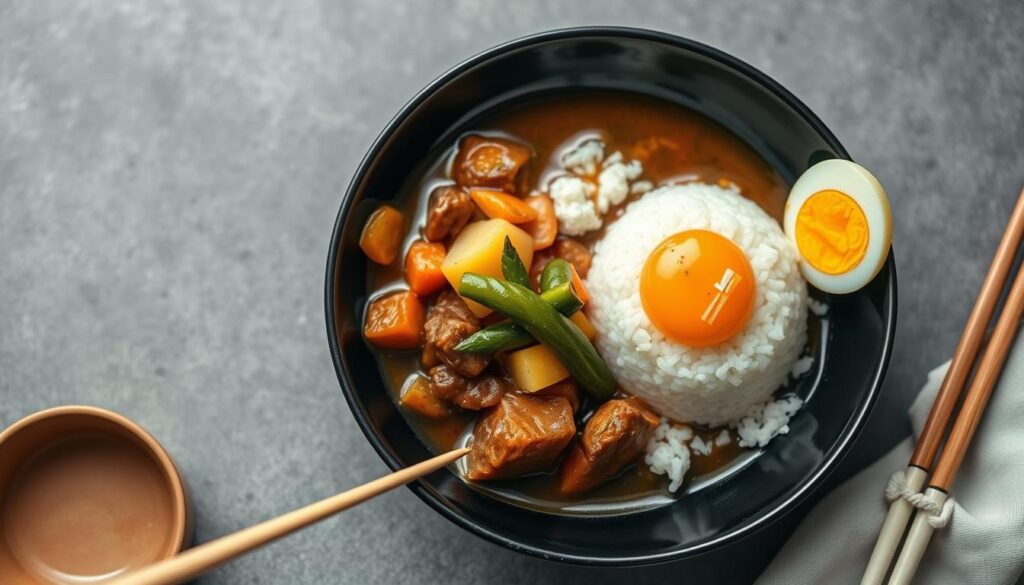
Japanese curry with its distinctive thick, brown sauce and hearty vegetables
Origin Story
Japanese curry arrived in Japan during the Meiji era (1868-1912) through British naval officers who had adapted curry from India. The Japanese transformed this import into something uniquely their own – thicker, milder, and sweeter than its Indian counterpart. Originally served as military food, kare raisu became a household staple after World War II and is now considered one of Japan’s national dishes, beloved for its comforting qualities and child-friendly flavor.
Key Ingredients & Flavor Profile
- Curry roux blocks (made with flour, butter, and curry powder)
- Onions, carrots, and potatoes as traditional vegetables
- Apple or honey for the signature subtle sweetness
- Beef, pork, or chicken as the protein component
- Savory, slightly sweet flavor with mild spice and thick, gravy-like consistency
Cooking Tips
The secret to great Japanese curry is in the caramelization of the onions – take your time and cook them until deeply golden for the best flavor foundation. While store-bought curry roux blocks are standard even in Japanese homes, you can customize your curry by adding grated apple for sweetness, a dash of soy sauce for umami, or even a square of dark chocolate for richness. Always let your curry rest for at least 30 minutes before serving – like many stewed dishes, the flavor improves with time.
Hungry for More Global Flavors?
Discover hundreds of authentic international recipes beyond curries. From Italian pastas to Mexican moles, expand your culinary horizons with step-by-step guides and expert cooking tips.
4. Jamaican Curry Goat
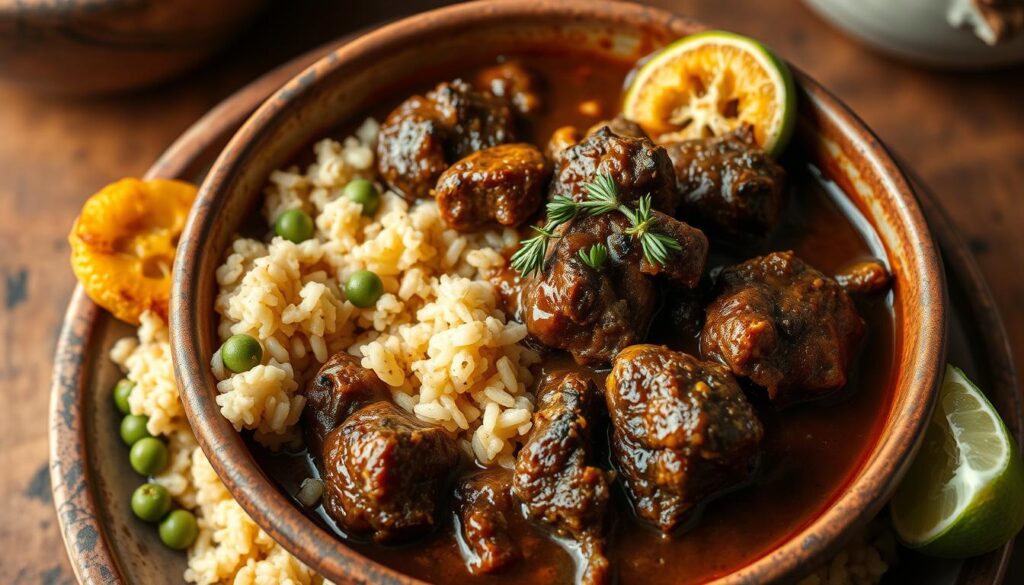
Jamaican curry goat with its rich, dark sauce and tender meat
Origin Story
Jamaican curry goat represents the beautiful fusion of culinary traditions that defines Caribbean cuisine. This iconic dish arrived in Jamaica with indentured laborers from India in the 19th century. Over generations, it evolved to incorporate local ingredients and African cooking techniques, resulting in a distinctly Jamaican creation. Now a centerpiece of celebrations and Sunday family gatherings, curry goat embodies Jamaica’s cultural melting pot and is considered one of the island’s most beloved dishes.
Key Ingredients & Flavor Profile
- Goat meat (bone-in for maximum flavor)
- Jamaican curry powder with prominent turmeric and allspice
- Scotch bonnet peppers for significant heat
- Thyme, scallions, and garlic for aromatic depth
- Bold, spicy flavor with earthy undertones and lingering heat
Cooking Tips
The key to perfect Jamaican curry goat is patience – this dish requires slow cooking to tenderize the meat properly. Always start by “burning” the curry powder in hot oil until fragrant before adding other ingredients; this crucial step removes any raw taste from the spices. For authentic flavor, include a whole scotch bonnet pepper (uncut) during simmering to infuse heat without overwhelming spiciness. Serve with traditional rice and peas for the complete Jamaican experience.
5. Malaysian Beef Rendang
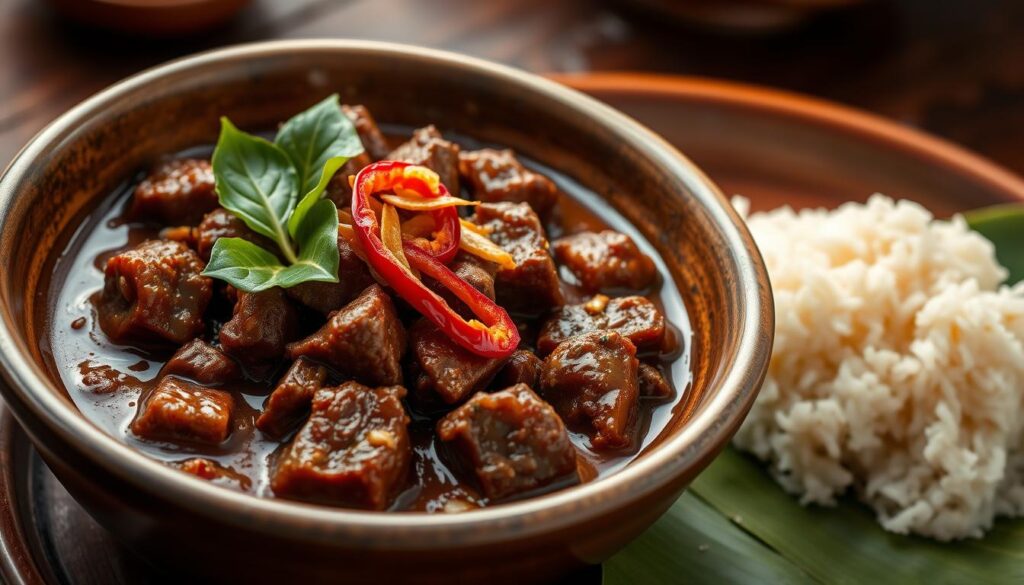
Malaysian beef rendang with its characteristic reduced, caramelized sauce
Origin Story
Rendang originated from the Minangkabau people of West Sumatra, Indonesia, but has become equally beloved in neighboring Malaysia. Historically, this preservation method was developed to keep meat edible during long journeys and migrations. The slow cooking process allows the meat to absorb all the spices while the liquid gradually reduces, resulting in an intensely flavored dish. In 2011, CNN International declared rendang the “World’s Most Delicious Food,” cementing its global culinary status.
Key Ingredients & Flavor Profile
- Beef (traditionally tough cuts like chuck or brisket)
- Lemongrass, galangal, and turmeric for the aromatic base
- Coconut milk that reduces completely during cooking
- Kerisik (toasted coconut paste) for thickening and flavor
- Complex, rich flavor with notes of coconut, spice, and subtle sweetness
Cooking Tips
Authentic rendang is not a quick meal – it requires at least 3-4 hours of slow simmering to develop its characteristic dark color and concentrated flavors. The process moves through distinct stages: first soupy, then saucy, and finally almost dry with the meat coated in caramelized spices. Never rush this process by increasing the heat, as the coconut milk will separate. The finished rendang should have almost no visible sauce, just intensely flavored meat with a dark, caramelized exterior.
6. South African Cape Malay Curry
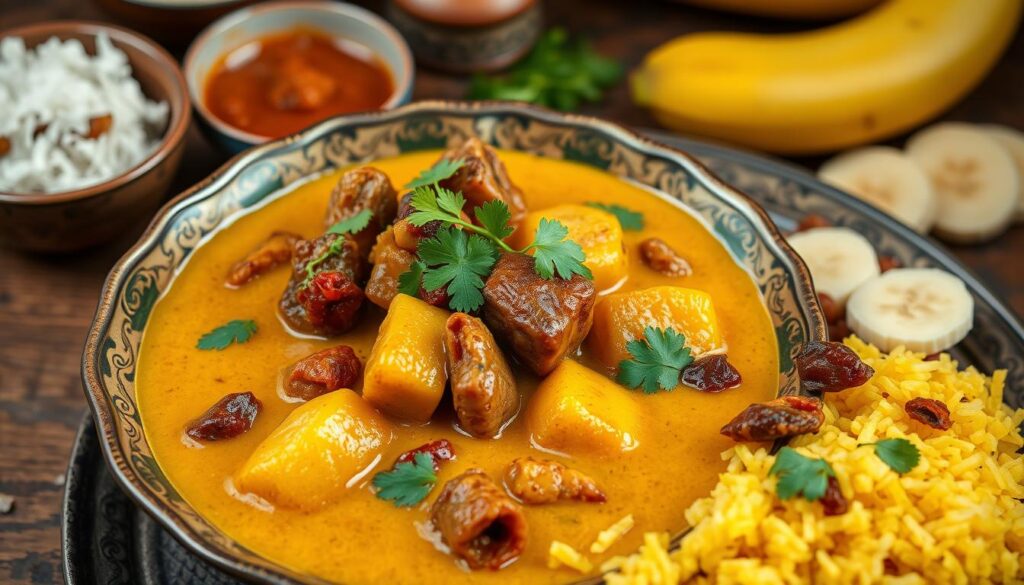
Cape Malay curry with its distinctive blend of sweet and savory elements
Origin Story
Cape Malay curry emerged from the culinary traditions of slaves and political exiles brought to South Africa from Southeast Asia (primarily Malaysia and Indonesia) by Dutch colonists in the 17th and 18th centuries. These immigrants adapted their native cooking to local ingredients, creating a unique fusion cuisine. Cape Malay curry is distinguished by its blend of sweet and savory flavors – a reflection of the diverse cultural influences that shaped South Africa’s Western Cape region.
Key Ingredients & Flavor Profile
- Lamb or beef as the traditional protein
- Distinctive blend of turmeric, cinnamon, cardamom, and cloves
- Dried fruits (apricots or raisins) for signature sweetness
- Tamarind or vinegar for balancing sour notes
- Complex sweet-sour-spicy profile with aromatic warmth
Cooking Tips
The hallmark of Cape Malay curry is balance – the sweetness from dried fruits should complement, not overwhelm, the savory and spicy elements. Toast whole spices before grinding for maximum flavor development. For authentic presentation, serve with “sambals” (small side dishes) like sliced banana, tomato-onion mix, and chutney. Yellow rice with raisins is the traditional accompaniment, with the saffron color symbolizing prosperity in Cape Malay culture.
Need Dinner Inspiration Tonight?
Find quick and easy curry recipes that can be on your table in under 30 minutes. Our meal planner helps you discover dishes that match your pantry ingredients and dietary preferences.
7. Thai Massaman Curry
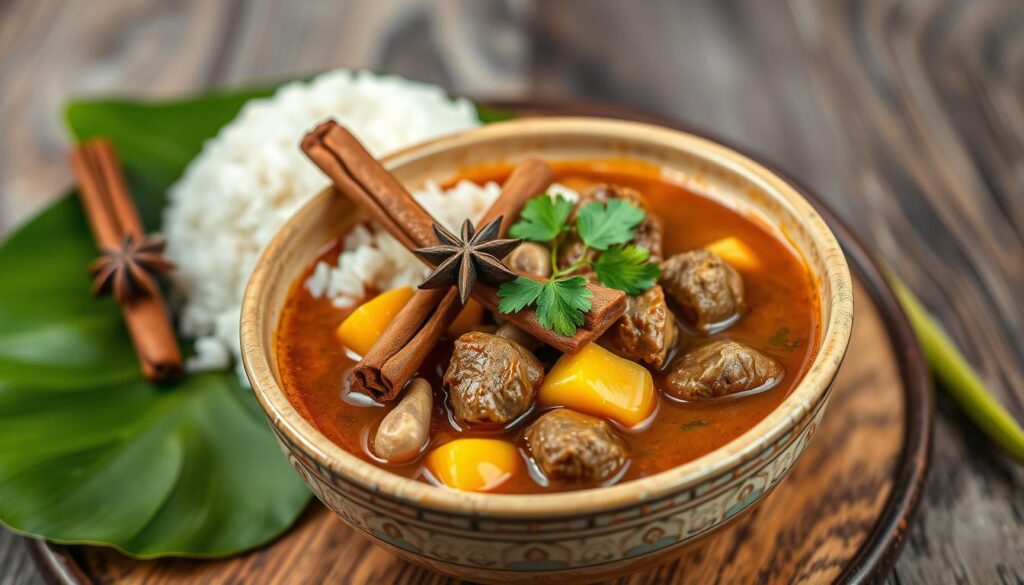
Massaman curry with its unique combination of Thai and Middle Eastern influences
Origin Story
Massaman curry represents a fascinating cultural fusion, blending Thai cooking techniques with Persian and Indian influences. Its name likely derives from the word “Muslim,” reflecting its origins among Thailand’s Islamic communities. Introduced to the Thai royal court in the 17th century by Persian merchants, this curry incorporates spices uncommon in other Thai dishes, such as cardamom, cinnamon, and cloves. In 2011, CNN Travel ranked Massaman curry as the world’s most delicious food, celebrating its unique cross-cultural heritage.
Key Ingredients & Flavor Profile
- Beef or chicken as the traditional protein
- Unique spice blend including cardamom, cinnamon, and star anise
- Potatoes and peanuts for hearty texture
- Coconut milk and tamarind for creamy-tangy base
- Rich, complex flavor that’s mildly spicy with sweet and savory notes
Cooking Tips
For authentic Massaman curry, toast and grind your whole spices before making the paste – this develops their essential oils and creates deeper flavor. Use bone-in meat for more richness, and simmer slowly to allow the potatoes to absorb the complex flavors. The finished curry should have a thick, stew-like consistency with tender meat that’s falling apart. A touch of palm sugar and fish sauce at the end balances the flavors perfectly.
8. Goan Vindaloo
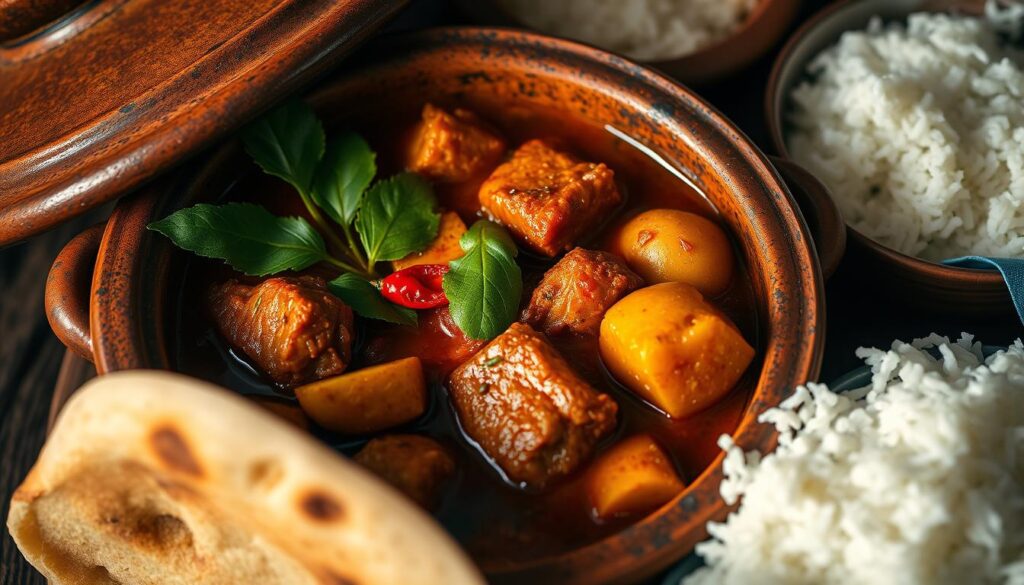
Fiery Goan vindaloo with its characteristic red color and tangy-spicy profile
Origin Story
Vindaloo exemplifies culinary globalization, originating from the Portuguese dish “carne de vinha d’alhos” (meat marinated in wine and garlic). When Portuguese colonists arrived in Goa, India, in the 15th century, they adapted their recipe using local ingredients – replacing wine with vinegar and adding native spices and chilies. Over centuries, this fusion dish evolved into one of India’s spiciest curries and became a symbol of Goan cuisine, representing the region’s unique Portuguese-Indian heritage.
Key Ingredients & Flavor Profile
- Pork (traditionally) though now made with various proteins
- Vinegar for the signature tangy base
- Kashmiri chilies for heat and vibrant color
- Garlic, ginger, and warming spices like cinnamon and cloves
- Fiery, tangy flavor with complex spice notes and high heat level
Cooking Tips
Authentic vindaloo requires marinating the meat in vinegar and spices for at least 4-8 hours (preferably overnight) – this step is crucial for developing the dish’s characteristic tangy flavor and tenderizing the meat. Contrary to many restaurant versions, traditional Goan vindaloo doesn’t contain potatoes – the name similarity to “aloo” (potato) is coincidental. For the most authentic experience, use palm or coconut vinegar if available, and don’t shy away from the heat – vindaloo is meant to be fiery!
9. West African Groundnut Stew
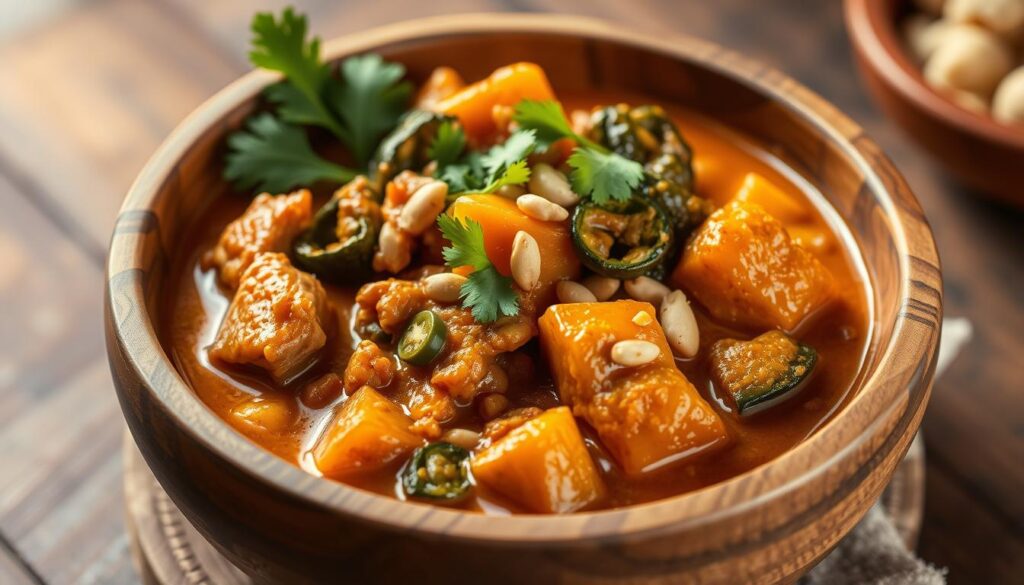
West African groundnut stew with its rich peanut-based sauce
Origin Story
Groundnut stew (also called maafe or domoda) is a staple across West Africa, particularly in Ghana, Senegal, and Mali. Its origins trace back centuries to when peanuts were introduced to Africa from South America in the 16th century. This hearty, nutrient-dense dish evolved as a practical way to create a filling meal using locally available ingredients. Each country and even family has their own variation, but the common thread is the rich peanut base that gives this curry its distinctive character.
Key Ingredients & Flavor Profile
- Peanut butter or ground peanuts for the creamy base
- Tomatoes that balance the richness with acidity
- Chicken, beef, or fish as protein options
- Sweet potatoes and leafy greens for nutritional value
- Rich, nutty flavor with earthy depth and subtle sweetness
Cooking Tips
The key to authentic groundnut stew is building layers of flavor – start by browning the meat well, then develop a flavor base with onions, ginger, and garlic before adding other ingredients. Natural peanut butter works best, but you can also use roasted peanuts ground into a paste for more texture. Don’t rush the cooking process – allow the stew to simmer slowly so the oils from the peanuts release and create a velvety consistency. Traditionally served with fufu (pounded yam or cassava), but rice makes an excellent alternative.
Master Global Cooking Techniques
Learn the essential skills for creating authentic world curries at home. Our step-by-step video guides show you how to toast spices, make curry pastes from scratch, and balance complex flavors like a pro.
10. Caribbean Colombo Curry
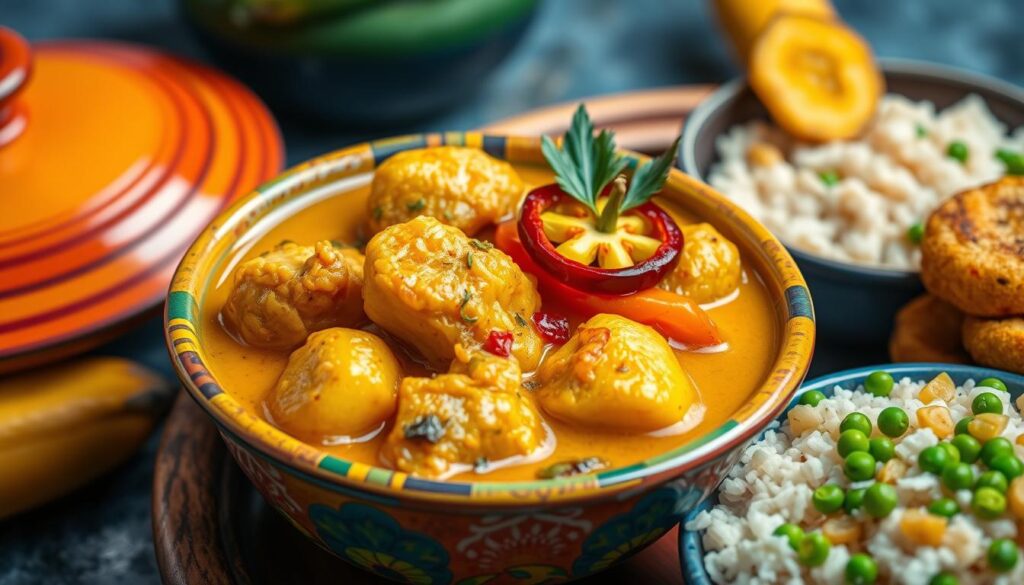
Caribbean Colombo curry with its distinctive spice blend and tropical ingredients
Origin Story
Colombo curry represents another fascinating chapter in the global curry story, originating when Tamil workers from Southern India were brought to the French Caribbean islands (particularly Guadeloupe and Martinique) as indentured laborers in the 19th century. These workers adapted their native curry dishes using local Caribbean ingredients, creating a unique Franco-Indian-Caribbean fusion. The name “colombo” comes from Colombo, Sri Lanka – a stopping point on the journey from India to the Caribbean.
Key Ingredients & Flavor Profile
- Colombo powder – a unique blend with roasted rice and mustard seeds
- Rum or white wine for deglazing (French influence)
- Chicken, goat, or pork as protein options
- Local Caribbean vegetables and sometimes fruits
- Complex flavor that’s aromatic and warm with subtle heat
Cooking Tips
The defining element of Colombo curry is its distinctive spice blend – if you can’t find pre-made Colombo powder, you can make your own by toasting and grinding coriander, cumin, mustard seeds, fenugreek, and uncooked rice. For authentic Caribbean flavor, include local ingredients like thyme, allspice, and a whole scotch bonnet pepper. The French influence shows in the technique of deglazing the pan with rum or white wine after browning the meat – don’t skip this step as it adds significant depth of flavor.
Nutrition and Health Benefits of Curry Ingredients
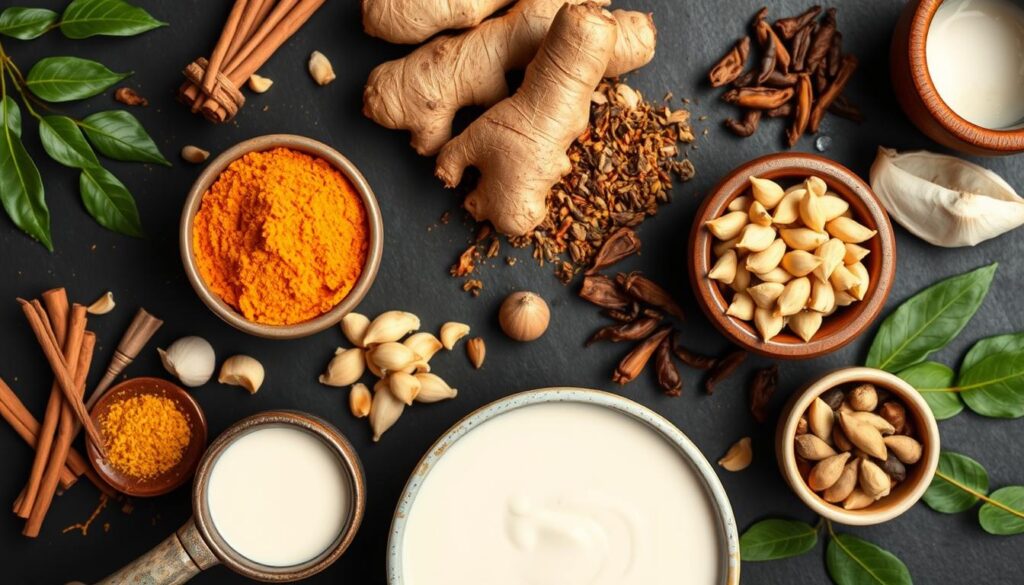
Common curry ingredients packed with health-promoting compounds
Beyond their incredible flavors, many curry ingredients offer impressive health benefits, making these dishes as good for your body as they are for your taste buds. Here’s why incorporating world curries into your diet might boost your wellbeing:
Powerhouse Spices
Turmeric
The golden spice that gives many curries their vibrant color contains curcumin, a compound with powerful anti-inflammatory and antioxidant properties. Research suggests it may help reduce chronic inflammation, improve brain function, and potentially lower risk factors for heart disease.
Ginger
This aromatic root adds zingy warmth to curries while providing gingerol, a bioactive compound with medicinal properties. Ginger has been shown to help with digestion, reduce nausea, fight infections, and may help manage pain from conditions like osteoarthritis.
Garlic
A foundation of many curry bases, garlic contains allicin, which has been linked to improved immune function and reduced blood pressure. Regular consumption may help combat common illnesses and support heart health.
Chilies
The heat-bringing component in many curries contains capsaicin, which may boost metabolism, reduce appetite, and help with pain relief. Some research suggests capsaicin may also have cancer-fighting properties.
Nutritious Bases
Coconut Milk
While high in calories, coconut milk contains medium-chain triglycerides (MCTs) that may boost energy expenditure and help with weight management. It also provides minerals like manganese, copper, and iron.
Tomatoes
The base of many Indian curries, tomatoes are rich in lycopene, an antioxidant linked to reduced risk of heart disease and certain cancers. Cooking tomatoes actually increases lycopene availability.
Healthy Curry Choices
For the most health benefits, opt for curries with plenty of vegetables, lean proteins, and moderate amounts of oil. Vegetable-forward options like Thai green curry with tofu, South Indian vegetable curries, or West African groundnut stew with sweet potatoes pack maximum nutrition. If watching calories, choose tomato-based curries over those heavy in coconut milk or ghee.
Frequently Asked Questions About World Curries
What’s the healthiest curry?
Vegetable-based curries typically offer the most nutritional benefits with fewer calories. Thai vegetable green curry is packed with antioxidants from herbs and vegetables, while Indian vegetable curries like aloo gobi (cauliflower and potato) provide fiber and nutrients. For protein-rich options, Japanese curry with lean chicken or South Indian fish curry offer excellent nutrition profiles with less saturated fat than cream or coconut-based varieties.
What curry is best for beginners?
Japanese curry is ideal for beginners due to its mild flavor profile and simple preparation – especially when using pre-made curry roux blocks. Indian butter chicken is another approachable option with its creamy, mildly spiced sauce that appeals to most palates. For those wanting to make curry from scratch, a basic Thai yellow curry offers balanced flavors without excessive heat or complexity in preparation.
How can I make curry less spicy?
To reduce heat in an already-prepared curry, add dairy products like yogurt, cream, or coconut milk, which contain casein that binds to capsaicin (the compound that makes chilies hot). Starchy additions like potatoes or serving with extra rice can also absorb some heat. For preventative measures, remove seeds and membranes from chilies before cooking, use fewer chilies than called for, or substitute with milder varieties like bell peppers.
Can I freeze curry?
Most curries freeze exceptionally well, often tasting even better after freezing as the flavors have time to develop. Cool the curry completely before transferring to airtight containers, leaving some space for expansion. Curries with coconut milk may separate slightly when thawed but will recombine when reheated gently. Avoid freezing curries containing potatoes or other starchy vegetables, as they can become mealy when thawed. Most curries will keep well in the freezer for up to 3 months.
What’s the difference between curry powder and garam masala?
Curry powder is a British invention that attempts to simplify Indian flavors into a single spice blend, typically containing turmeric (for color), cumin, coriander, and fenugreek. It’s added early in cooking to build flavor. Garam masala, meaning “hot spice mix,” is an authentic Indian blend of warming spices like cardamom, cinnamon, and cloves, usually added at the end of cooking to preserve its aromatic qualities. The specific ingredients in both blends vary by region and brand.
Bringing the World of Curries to Your Kitchen
The beauty of world curries lies not just in their incredible flavors, but in the stories they tell – of cultural exchange, adaptation, and the universal human desire to create delicious food from available ingredients. Whether you’re drawn to the fiery heat of a Goan vindaloo, the complex aromatics of a Malaysian rendang, or the comforting richness of Japanese curry, there’s a global curry tradition waiting to be explored in your kitchen.
Don’t be intimidated by unfamiliar ingredients or techniques – the curry tradition is all about adaptation. Start with what’s accessible to you, and gradually expand your spice collection and cooking skills. Remember that many of the world’s most beloved curry dishes began as humble home cooking, not chef-driven perfection. The joy is in the process of discovery, the aromas that fill your kitchen, and the satisfaction of creating something that connects you to culinary traditions from around the globe.
So gather your spices, sharpen your chef’s knife, and embark on a global curry journey – one delicious pot at a time. Your taste buds (and dinner guests) will thank you for bringing these vibrant flavors from across the world to your table.
Ready to Start Your Curry Adventure?
Find all the ingredients you need for authentic world curries, from rare spices to specialty pastes. Our global pantry has everything to make your curry dishes truly authentic.