
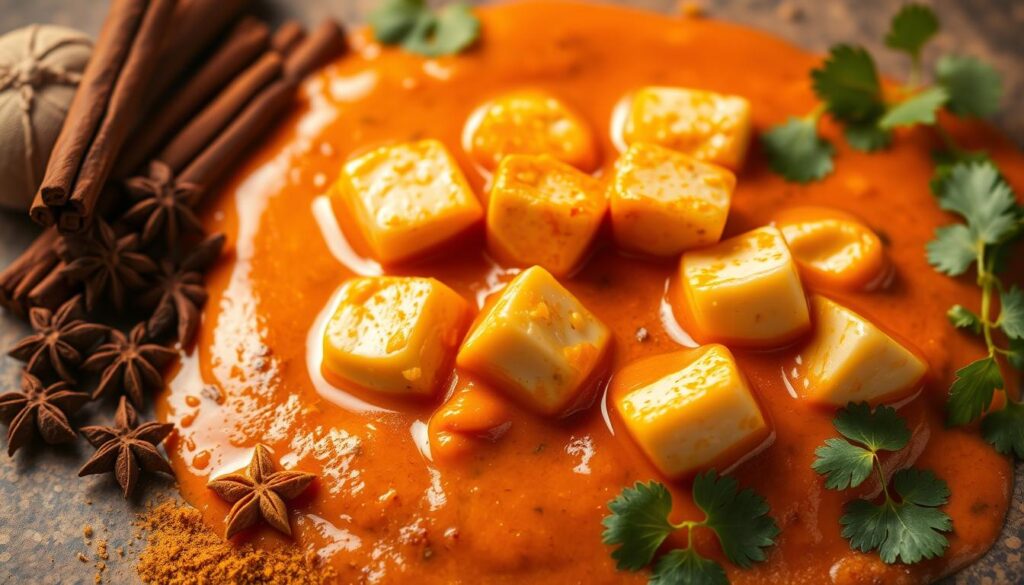
Remember that feeling of pure comfort from a warm, satisfying meal? The kind that wraps you in a cozy blanket of flavor and makes everything feel right. For many, that feeling is found in a rich, creamy curry. It’s a dish that feels like a celebration, yet is simple enough for any night of the week.
This guide unlocks the secrets to creating that experience in your own kitchen. You will learn to make a classic Indian curry known for its luxurious texture and harmonious spices. It’s a beloved vegetarian favorite that brings joy to home cooks and food lovers everywhere.
Our method is designed for success, no matter your experience level. You don’t need professional skills or special equipment. In about 30 minutes, you can create a stunning, restaurant-quality meal. It’s perfect for a busy weeknight or for impressing guests.
The result is a beautiful balance of tender cheese and a silky, aromatic tomato gravy. This dish pairs wonderfully with fluffy rice or warm, soft bread. You are about to master a timeless recipe that you can make your own.
Key Takeaways
- This curry is a globally adored vegetarian dish, famous for its creamy tomato sauce and soft cheese cubes.
- Our recipe delivers authentic, rich flavors achievable in any home kitchen without professional training.
- The entire cooking process is designed to be quick, taking roughly 25-30 minutes from start to finish.
- The final dish offers a perfect harmony of textures and spices that complements various Indian breads and rice.
- This comprehensive guide is suitable for both beginners and experienced cooks, allowing for personal customization.
Introduction to Paneer Makhani
Across Indian restaurants worldwide, there’s one vegetarian specialty that consistently delights diners. This preparation represents the heart of Punjabi cooking traditions.
What Makes This Dish Special
You’ll discover the magic lies in the perfect balance of textures and flavors. The creamy tomato sauce embraces soft cheese cubes that maintain their delicate texture.
Aromatic spices blend harmoniously with rich ingredients. Each component shines through without overwhelming the others.
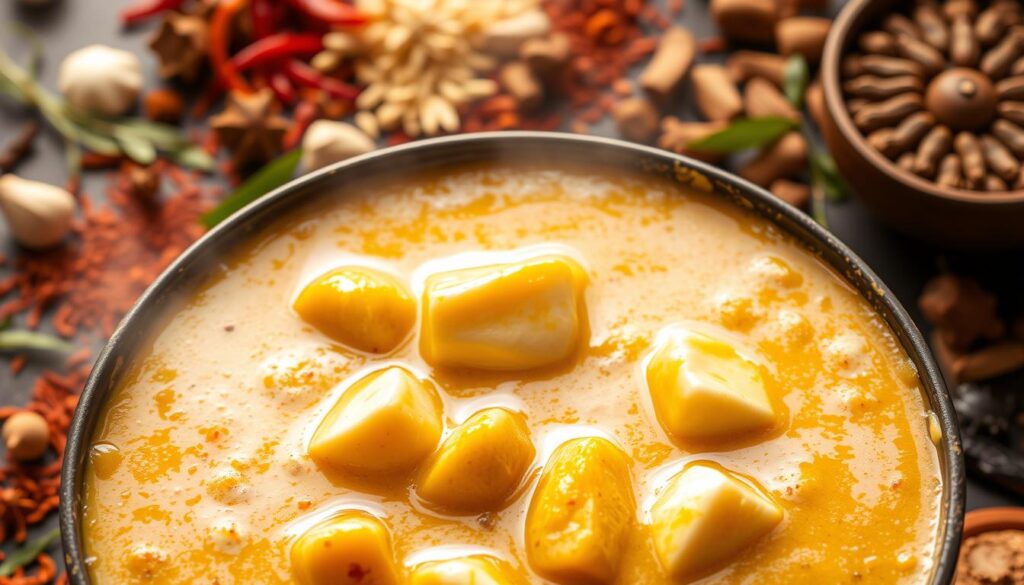
The butter-forward profile creates an indulgent experience. This distinguishes it from other vegetarian curries on restaurant menus.
Origin and Cultural Significance
This preparation has deep roots in Punjabi culinary heritage. Families traditionally serve it during important celebrations and festivals.
You’ll find it featured at weddings, Diwali gatherings, and special occasions. The dish has become a symbol of hospitality and celebration.
| Name Variation | Meaning | Common Usage |
|---|---|---|
| Paneer Butter Masala | Cheese in butter spice mix | Restaurant menus |
| Paneer Makhan Masala | Cheese in butter spices | Traditional recipes |
| Paneer Makhanwala | Butter-style cheese | Family cooking |
These names refer to the same beloved preparation. Understanding them helps you navigate menus and recipes with confidence.
Authentic Paneer Makhani: A Flavorful Experience
The true soul of an authentic curry lies in its foundational components. This particular dish achieves its distinctive character through a surprisingly short list of quality ingredients.
Each element serves a specific purpose in creating the final harmony. You’ll discover how simple components transform into something extraordinary.
Understanding the Main Ingredients
Ripe tomatoes form the backbone of the sauce, providing natural sweetness and tanginess. Their quality directly impacts the final flavor profile of your gravy.
Raw cashews work as the secret thickening agent. They create that velvety texture without excessive cream. This traditional technique delivers restaurant-quality results at home.
The beauty of Punjabi cooking is how few ingredients can create such depth of flavor.
Fresh, soft cheese cubes absorb the aromatic sauce beautifully. Whether store-bought or homemade, texture matters greatly. The butter and cream balance acidity while adding richness.
Traditional versions skip onions entirely, unlike some adaptations. This purity distinguishes authentic preparations from restaurant variations. The interplay creates a gravy that clings perfectly to bread or rice.
Ingredients and Essential Kitchen Tools
Your journey to restaurant-quality curry begins with selecting premium ingredients and proper tools. The right components ensure authentic flavors and perfect texture in your final dish.
Quality matters more than quantity. Fresh, well-chosen items create the signature creamy gravy that makes this preparation so beloved.
Fresh Produce and Dairy Selections
Start with 2¼ cups of ripe, red tomatoes. Avoid green ones that add bitterness. These form your gravy’s sweet-tangy base.
For dairy, you’ll need 200-250 grams of fresh cheese cubes. Use 1-2 tablespoons of butter and ¼ cup of cream for richness. Adjust these based on your preferences.
Essential Spices and Nuts
Raw cashews are your secret weapon. Use 16-18 pieces to create a velvety texture. They blend into a smooth paste that thickens naturally.
Your spice collection should include whole cardamoms, cinnamon, and cloves. Add red chili powder, garam masala, and kasuri methi for authentic flavor.
Don’t forget ginger-garlic paste and optional onions. These aromatics build depth in your gravy. A little sugar balances the tomatoes’ acidity.
Essential tools include a powerful blender for smooth purees. Use a nonstick pan for even cooking. A sturdy cutting board makes prep work efficient.
Step-by-Step Preparation Process
The key to restaurant-quality results lies in following each cooking step with attention to detail. This method ensures perfect texture and balanced flavors in your final dish.
You’ll work through two main phases: creating the foundation and building the final curry. Each step builds upon the previous one for cohesive results.
Creating the Tomato and Cashew Puree
Begin by blending chopped tomatoes with raw cashews until completely smooth. If your blender lacks power, soak the nuts in hot water for 10-15 minutes first.
This crucial step creates the base for your silky gravy. Strain the mixture through a fine sieve if any coarse particles remain.
Cooking Techniques for Perfect Paneer
Heat butter in your pan and add whole spices until they sizzle. This tempering process releases essential oils for maximum flavor.
Add ginger garlic paste and sauté for about 2 minutes until the raw aroma disappears. Pour in your tomato-cashew puree carefully, as it will splatter.
Cook until the mixture thickens and pulls away from the pan’s sides. Then add your spice powders and sauté briefly to develop depth.
| Preparation Step | Time Required | Key Purpose |
|---|---|---|
| Soaking cheese cubes | 15-20 minutes | Softens texture |
| Blending puree | 5-7 minutes | Creates smooth base |
| Initial cooking | 8-10 minutes | Develops flavor foundation |
| Final assembly | 5-7 minutes | Combines all elements |
Add water to adjust consistency and sugar to balance acidity. Cook covered until the gravy thickens properly.
Gently fold in your prepared cheese cubes and finish with cream. The entire process takes about 25-30 minutes from start to finish.
Cooking Techniques and Tips for a Creamy Curry
Great cooking isn’t about complexity but understanding how ingredients interact. Mastering these techniques ensures your curry achieves that perfect restaurant-quality texture every time.
Using the Right Spices and Seasonings
Color development starts with choosing the right chili powder. Kashmiri or Byadgi varieties provide vibrant red-orange hues without excessive heat. Frying the powder in melted butter for seconds activates its pigments for that signature appearance.
Spice restraint proves crucial for balanced flavor. You need only garam masala and cardamom powder in measured amounts. The true depth comes from tomatoes, cashews, ginger, garlic, butter, and cream working together.
The art of seasoning lies in enhancement, not domination.
Crush kasuri methi between your palms before adding it to the gravy. This releases aromatic oils for maximum flavor penetration. Add one teaspoon of sugar to balance the tomatoes’ natural acidity.
Ensuring a Smooth, Rich Gravy
Your onion-tomato mixture must cook until it darkens and leaves the pan’s sides. This indicates proper concentration and cooked-out raw flavors. The resulting gravy base should coat a spoon smoothly.
Add cream slowly while stirring constantly to prevent curdling. If using milk, employ the tempering technique by gradual addition. Manage your gravy’s consistency carefully as it thickens upon cooling.
Resist overcooking the cheese cubes once added to the hot mixture. Limit cooking time to 2-3 minutes on low-medium heat to maintain soft texture. Always adjust with water when reheating leftovers.
Variations, Substitutions, and Pairing Ideas
Customizing this beloved dish allows you to maintain its signature flavors while accommodating various needs. You can adapt the recipe for health concerns, allergies, or personal preferences without sacrificing the rich experience.
Adapting the Recipe for Dietary Needs
Create a healthier version by eliminating butter and cream entirely. Use cashews blended with whole milk instead. This reduces fat content significantly while maintaining creaminess.
For vegan adaptations, substitute firm tofu for the cheese. Use vegan butter and coconut milk instead of dairy products. This maintains richness without animal ingredients.
If you need a nut-free recipe, skip cashews completely. Compensate with generous amounts of heavy cream. This provides the luxurious texture that nuts typically contribute.
The true test of a great recipe is how well it adapts to different kitchens and cooks.
| Dietary Need | Key Substitution | Resulting Change |
|---|---|---|
| Health-Conscious | Cashews + low-fat milk instead of cream | Reduces fat by 30% |
| Vegan | Tofu + plant-based alternatives | Maintains protein content |
| Nut-Free | Extra cream instead of cashews | Preserves creamy texture |
| Traditional | No onions, homemade cheese | Authentic Punjabi style |
Serving Suggestions with Naan and Rice
Pair this dish with warm, fluffy naan for the classic restaurant experience. The soft bread perfectly scoops up the creamy gravy. Garlic naan adds an extra flavor dimension.
Rice preparations offer excellent alternatives. Plain basmati provides a neutral canvas. Jeera rice adds aromatic cumin notes that complement the spices.
Include fresh accompaniments like sliced vegetables and lemon wedges. These provide crunchy texture and acidic brightness. They cut through the rich, creamy gravy beautifully.
Important notes to remember: Adjust water as needed since the gravy thickens when cooling. Use ripe red tomatoes for optimal flavor. Soak store-bought cheese before adding to prevent toughness.
Conclusion
Creating memorable meals often comes down to mastering a few essential techniques and quality ingredients. You now have everything needed to prepare this classic Indian curry with confidence.
The entire process takes just 25-30 minutes from start to finish. This makes it perfect for busy weeknights when you want something special. The creamy tomato gravy comes together beautifully with simple, fresh components.
Whether you follow the traditional method or adapt it to your preferences, this versatile dish delivers consistent results. Quality ingredients and proper technique ensure restaurant-quality outcomes every time.
As you gain experience with this recipe, you’ll develop your own signature version. Serve it with naan or rice for a complete meal that brings people together. This beloved preparation will become a regular favorite in your kitchen rotation.