
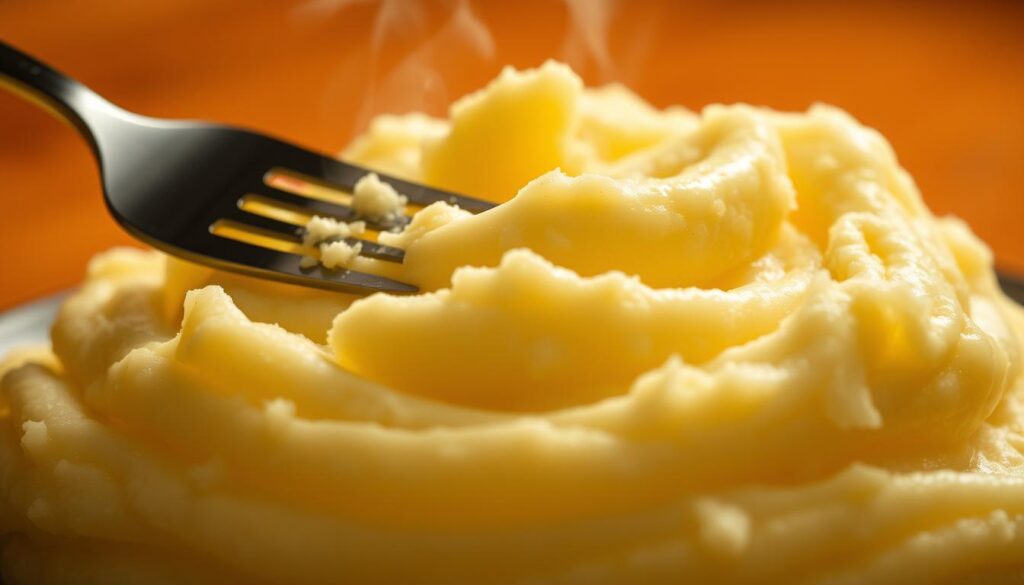
You know that warm, forgiving bowl that makes a holiday plate feel like home. You may remember a childhood tray, a roast turkey, and the way butter and cream lifted simple tubers into something comforting and bright.
This recipe keeps things honest and reliable. You’ll choose russet potatoes for a fluffy texture or Yukon Gold for a richer, buttery flavor. Start the potato pieces in cold salted water, boil until fork-tender (about 15–20 minutes), then drain and return them to the warm pot to let excess water evaporate.
Hand-mash with real butter and warmed milk or cream for a silky finish. Season simply with salt and pepper and you’ll have a side that pairs perfectly with gravy, pork chops, or roast turkey. With clear steps for time, ingredients, and reheating, you’ll make homemade mashed potatoes that get asked for again and again.
Table of Contents
Why You’ll Love These Mashed Potatoes
This simple side delivers rich comfort with a silky, buttery finish you can rely on. The method focuses on a few small choices that make a big difference in flavor and texture.
Comfort-food flavor with creamy, buttery texture
Start the potatoes in cold, salted water and cut them into even 1-inch pieces so they cook at the same rate. Boil for 15–20 minutes until a knife slides in easily, then drain thoroughly and return them to the warm pot to evaporate excess water.
Tested tips for consistent, perfect results
Mash by hand with a masher or use a ricer to keep starches intact; avoid a stand mixer or food processor to prevent gummy results. Warm your milk or cream before you mix it in so the potatoes stay hot and absorb butter evenly.
- Melt butter into the hot potatoes for maximum richness.
- Finish with salt and freshly ground pepper and a final pat of butter for sheen.
The Best Potatoes and Core Ingredients
The potato you pick shapes texture, so a smart choice makes all the difference.
Russet vs. Yukon Gold: starch, flavor, and texture
For a fluffy result, use russet potatoes; their high starch yields airy mash. If you want a richer, naturally buttery bite, use yukon gold potatoes.
Many cooks mix both to balance fluffiness and creaminess. Leave thin Yukon Gold skins on for subtle texture; peel russet potatoes for a smoother finish.
Butter, milk or cream, and salt & pepper
Real butter adds richness and helps emulsify the mash. Warm whole milk or cream before adding so the mixture stays hot and cohesive.
Salt the cooking water and season with salt and pepper at the end to taste. Use a large pot so potatoes cook evenly and you can drain and return them to evaporate excess water.
Optional boosts: garlic, sour cream, and chives
Simmer a few garlic cloves with the potatoes for a mild infusion, or mash in roasted garlic for deeper sweetness. Fold in a small cup of sour cream for tang and extra creaminess.
Finish with chopped chives to brighten flavor without overpowering the ingredients. These simple additions lift classic mashed potatoes into a memorable side.
Tools You’ll Need
A few sturdy kitchen items will keep your prep smooth and the texture spot on.
Start with a large pot that holds the potatoes in ample cold, salted water so they cook evenly. Use a reliable colander to drain thoroughly and let excess steam escape before mashing.

Key hand tools and small appliances
Choose a potato masher or a ricer to control smoothness by hand and protect the tubers’ structure. A handheld mixer can work in a pinch, but use a gentle touch to avoid a gummy result.
Keep a small saucepan ready to warm milk and melt butter so the dairy blends smoothly into hot potatoes. A sturdy spoon or spatula helps fold in sour cream or herbs without overworking the mash.
| Tool | Primary use | Quick tip |
|---|---|---|
| Large pot | Boil even-cut potatoes | Start in cold water and add salt |
| Colander | Drain and steam off excess water | Return to pot briefly to evaporate moisture |
| Masher / Ricer | Achieve texture by hand | Press or mash gently for fluffy results |
| Small saucepan & spoon | Warm milk, melt butter, and fold | Warm dairy to keep mash hot and smooth |
How to Make Mashed Potatoes
Start by prepping your tubers into uniform pieces so every chunk cooks at the same rate. Peel and cut potatoes into equal 1-inch pieces to prevent undercooked centers or mushy edges.
Prep and cut: even pieces for even cooking
Place the cut potatoes in cold, salted water in a large pot. Starting cold helps the pieces heat through evenly and seasons them from the inside out.
Boil from cold, salted water: timing and doneness
Bring the pot to a gentle boil, then simmer. Cook about 15–20 minutes and test with a paring knife—when it slides in with no resistance the pieces are done.
Mash by hand, add melted butter and warmed milk
Drain thoroughly and return the potatoes to the warm pot for a minute so residual heat evaporates excess water. Mash by hand, then stir in melted butter and warmed whole milk gradually until the texture is smooth.
Season and adjust consistency for silky or fluffy texture
Season with salt and freshly ground pepper, taste, and adjust. For silkier results add a splash more warm milk; for a fluffier finish use less dairy and mash gently.
| Step | Time | Tip |
|---|---|---|
| Cut potatoes | 5–10 minutes | 1-inch chunks cook evenly |
| Boil | 15–20 minutes | Start cold, test with knife |
| Mash & finish | 3–5 minutes | Add butter, warmed milk gradually |
Pro Tips for Creamy, Fluffy Texture
Control the heat and handling, and you’ll get a light, pillowy finish every time.
Drain the cooked potatoes thoroughly, then return them to the warm pot for a minute. Let residual heat evaporate excess water. This short step saves time and concentrates flavor.
Why warmed dairy matters
Warm the milk or cream before adding it. Warm dairy blends smoothly and keeps the mash piping hot. Add butter first so it coats the pieces, then stream in warmed milk or cream to build a creamy emulsion.
Hand mash versus mixer
Mash by hand with a masher or use a ricer for ultra-smooth results. Avoid a stand mixer or food processor—overworking breaks starches and makes a gluey result.
| Step | Tool | Why it helps |
|---|---|---|
| Drain & evaporate | Pot and colander | Removes excess water for fluffier texture |
| Add fat then dairy | Small saucepan | Butter coats; warm milk or cream blends evenly |
| Mash gently | Masher or ricer | Preserves structure and prevents gumminess |
Flavor Variations and Add-Ins
A few smart mix-ins will refresh your favorite comfort side in minutes. These tweaks let you lean into tang, richness, or savory crunch without changing the basic method.
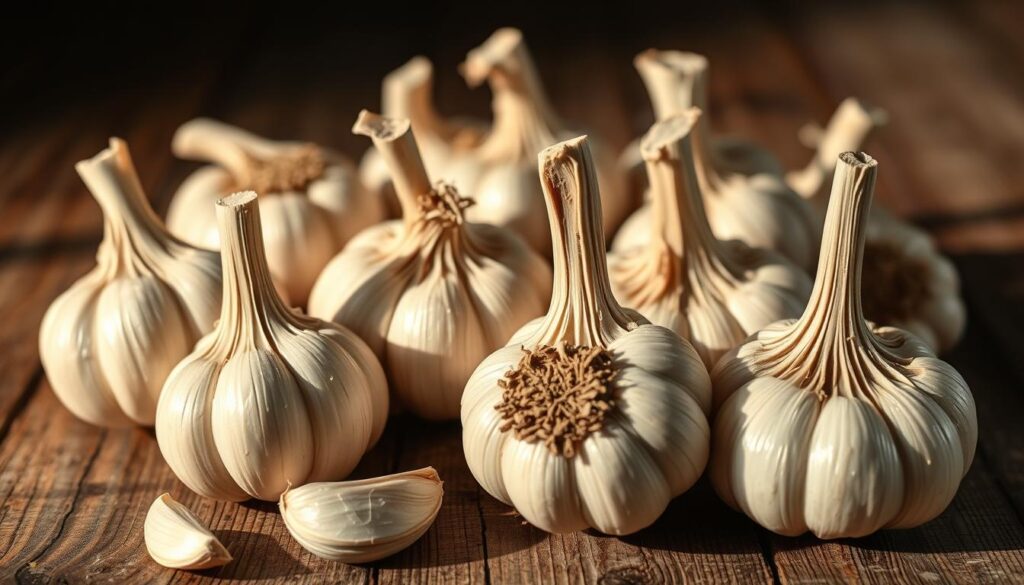
Roasted garlic, cheese, and fresh herbs
Stir in roasted garlic for a deep, sweet note. Or simmer a clove or two with the potatoes for a softer, background garlic that won’t dominate the dish.
Add finely grated Parmesan or sharp cheddar right after butter and warm milk so the cheese melts evenly. Finish with fresh chives or flat-leaf parsley to lift the richness with bright color and herbaceous flavor.
Sour cream or cream cheese for tang
Fold in a scoop of sour cream or cream cheese for a tangy, creamy profile. Start with a small amount and taste so you can control the tang and texture.
Loaded mash: bacon, chives, and pepper
For a hearty version, mix in crisp bacon bits, extra chives, and freshly cracked black pepper. This loaded style is great for game day or casual dinners.
- Roasted garlic: deep, sweet flavor.
- Parmesan/cheddar: melt into warm mash for even seasoning.
- Sour cream/cream cheese: tang and silkiness.
- Bacon + chives + pepper: savory crunch and bold finish.
| Add-in | Effect | When to add |
|---|---|---|
| Roasted garlic | Sweet, mellow garlic flavor | Fold in after butter and milk |
| Parmesan or cheddar | Salty, savory melt | Add while warm so cheese melts smoothly |
| Sour cream / cream cheese | Tangy richness and creaminess | Fold gently at the end to keep texture |
| Bacon, chives, pepper | Crunch, brightness, spice | Mix in last to preserve crisp bacon |
Make Ahead, Reheat, and Store
Storing and reheating correctly keeps texture and flavor true to the original dish. Cool the mash completely, then transfer it to an airtight container and chill right away.
Make-ahead and refrigerate in an airtight container
Seal the cooled tuber mash in a container and refrigerate. It will keep well for 3 to 4 days when stored cold.
- Cool fully before sealing to avoid trapped water and spoilage.
- Label with the date so you know the exact days it can stay safe.
Reheating methods: oven, microwave, slow cooker/Instant Pot
For hands-off reheating, spread the mash in a greased dish, dot with butter, cover, and warm in the oven at 325–350°F for about 25–40 minutes.
Use the microwave for quick service: heat in short bursts, stirring every 2 minutes so heat spreads evenly.
To hold for service, keep warm in a slow cooker or on the Instant Pot Keep Warm setting and stir occasionally.
Freezing leftovers and adding milk to refresh
Press cooled mash flat in a zip-top bag to freeze. When reheating, add about 1 tablespoon warm milk or cream per cup to refresh texture. Avoid adding plain water; warm dairy restores richness better.
| Method | Time | Tip |
|---|---|---|
| Refrigerate in container | 3–4 days | Cool completely, seal tight |
| Oven | 25–40 minutes | Cover to steam, uncover to brown |
| Microwave | 2–6 minutes (stirring) | Stir every 2 minutes for even heat |
Serving Ideas and Pairings
Small finishing touches shape how the whole meal comes together on the table. A final pat of butter, a shower of chives, and a few grinds of pepper bring out the creamy base and make each bite pop.
Top with butter, chives, gravy, or parsley
Finish your mash with a glossy pat of butter for shine. Sprinkle fresh chives for mild onion flavor and scatter chopped parsley for color.
Ladle warm gravy over the top so the flavors mingle. Mushroom or pan gravy is especially good; the mash soaks up every savory drop.
What to serve with: turkey, Salisbury steak, pork chops
Plate this side beside roast turkey and gravy for a classic meal. Try Mushroom Salisbury steak, Crock Pot pork chops, Swiss steak, or beef tips for hearty weeknight recipes.
The creamy texture contrasts nicely with crisp sears and roasted vegetables. The mash also holds well in the pot for several minutes while you finish the main and the gravy.
- Pat of butter, chives, and cracked pepper to finish.
- Parsley for brightness and table color.
- Ladle on mushroom or pan gravy for extra savoriness.
- Serves as a versatile side for turkey, Salisbury steak, pork chops, and beef tips.
Conclusion
These final steps tie the method together so you can cook with confidence every time.
You now have a dependable mashed potatoes roadmap: pick the right potato, start pieces in cold salted water, boil 15–20 minutes to fork-tender, drain thoroughly, and return to the pot to evaporate moisture.
Mash by hand with plenty of butter and warmed milk or cream. Taste and season with salt. You can make mashed ahead, refrigerate 3–4 days, and reheat in the oven or microwave, adding about 1 tablespoon warm milk per cup to refresh texture.
Customize this mashed potato recipe with roasted garlic, sour cream, cheddar, or chives while keeping the simple, proven base. Use these steps to make mashed with confidence for weeknights or holidays.