Disclosure: As an Amazon Associate we earn from qualifying purchases. If you buy through links on this page we may earn a small commission at no extra cost to you.
Asafoetida, or hing, smells strong in the jar but transforms in hot oil into a mellow, onion-garlic flavour. It’s essential in dal, sambar and many vegetarian dishes.
What to Look For
- Compounded hing (mixed with flour) is milder and most common.
- Gluten-free options use rice flour instead of wheat.
- Pure hing is very strong – use a tiny pinch.
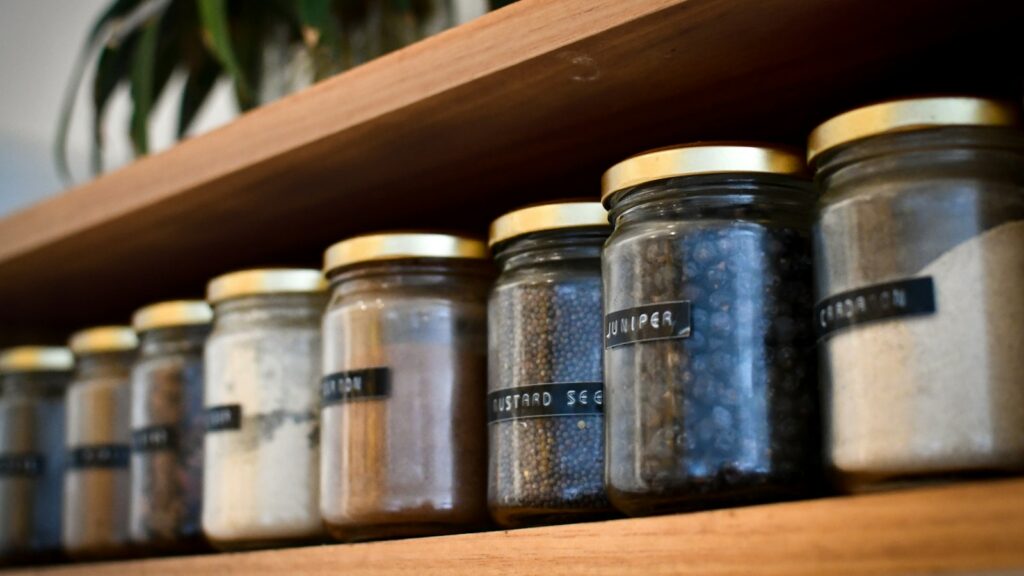
- Airtight container – the smell travels!
Our Recommended Picks
1. Compounded Asafoetida Powder
The everyday hing for dal and vegetables.
Why we like it:
- Easy to measure
- Affordable
Keep in mind:
- Often contains wheat flour
Check Compounded Asafoetida Powder on Amazon →
2. Gluten-Free Hing
Made with rice flour – safe for gluten-free cooking.
Why we like it:
- Gluten-free
Keep in mind:
- Slightly harder to find
Check Gluten-Free Hing on Amazon →
3. Pure Hing (Resin/Strong Powder)
Concentrated hing for serious cooks.
Why we like it:
- Very strong
- Lasts ages
Keep in mind:
- Use the tiniest pinch
How to Use Hing
- Always fry a pinch in hot oil or ghee – never add raw.
- Add it to your tadka pan for dal.
- Store in an airtight jar, ideally inside another container.
- Use about ⅛ tsp for a pot of dal.
Frequently Asked Questions
What does hing taste like?
Cooked, it tastes like a mellow mix of onion and garlic.
Is hing gluten-free?
Only if labelled; many contain wheat flour.
Can I skip it?
Yes, but it adds depth – especially in onion-free cooking.

Free ebook
12 Must-Make Curry Recipes
Get our free PDF with 12 reader favorites, then one easy recipe email a week. No spam, unsubscribe anytime.
We respect your privacy. What's inside the ebook?