
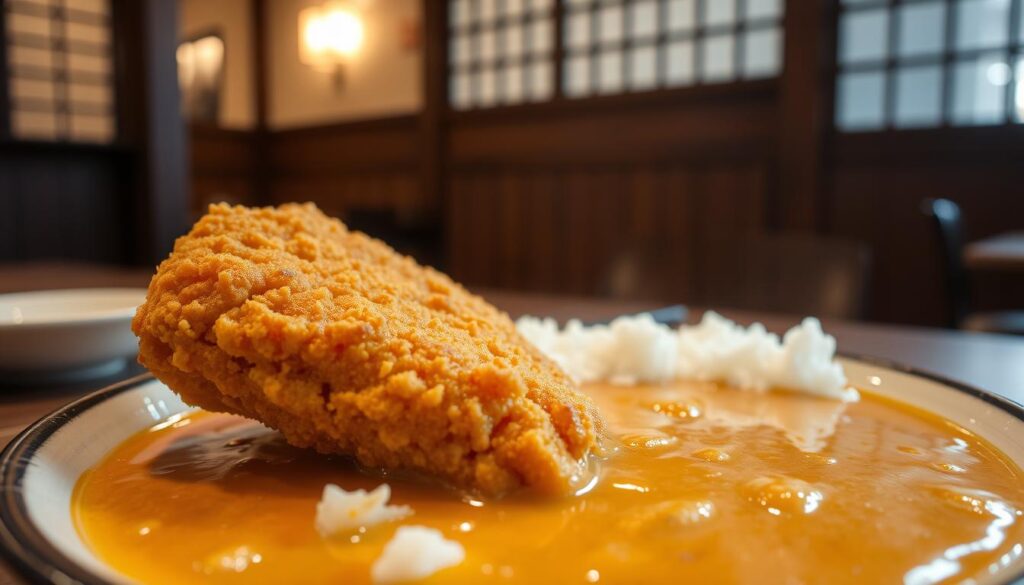
Remember that feeling of pure comfort? The kind you get from a meal that feels like a warm hug. It’s more than just eating; it’s an experience that soothes the soul. This is the magic we find in truly great comfort food.
That’s exactly the feeling you get with this iconic dish. Imagine a perfectly crispy, golden-brown cutlet. Now, picture it draped in a rich, deeply savory sauce. It all sits on a fluffy bed of steamed rice. This combination creates a symphony of textures and flavors in every single bite.
The story of this meal is as delightful as its taste. It began in a Tokyo restaurant back in 1948. Baseball players wanted a high-energy meal, so they asked for their cutlet and curry rice on one plate. A brilliant culinary mashup was born, and it quickly became a modern classic.
When you make this recipe, you are creating more than just dinner. You are crafting a balanced meal with protein, vegetables, and rice. The secret lies in the contrast between the crunchy cutlet and the velvety sauce. You can use chicken or pork for the cutlet, making it your own.
Key Takeaways
- This dish is the ultimate comfort meal, combining a crispy cutlet and rich sauce over rice.
- It originated in Tokyo in the late 1940s from a simple, satisfying request.
- The recipe balances contrasting textures for a truly memorable eating experience.
- You can prepare it with either chicken or pork based on your preference.
- It is a complete, balanced meal featuring protein, vegetables, and carbohydrates.
- Proper preparation involves key techniques for breading and making the sauce.
- The traditional plating keeps part of the cutlet crispy by only partially covering it with sauce.
The Origins and Popularity of Japanese Katsu Curry
The story behind this beloved comfort food begins in post-war Tokyo. It emerged from a culinary tradition that adapted Western dishes to local tastes.
History and Cultural Influence
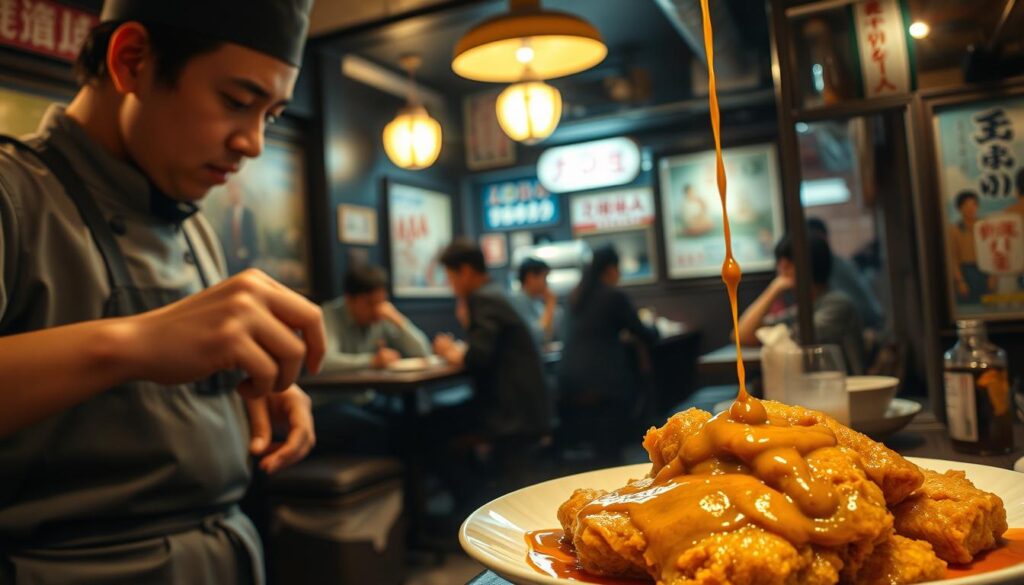
This iconic meal was born at Grill Swiss in Tokyo’s Ginza district around 1948. Professional baseball players wanted a high-energy meal that combined their favorite dishes.
They requested both tonkatsu and curry rice served together on one plate. This efficient combination quickly gained popularity across the nation.
| Time Period | Development | Significance |
|---|---|---|
| Late 19th Century | Curry introduced via British Royal Navy | Foundation for Japanese curry style |
| Early 20th Century | Tonkatsu becomes popular | Crispy cutlet tradition established |
| 1948 | Combination created at Grill Swiss | Birth of the modern dish |
| Present Day | International popularity | Global comfort food status |
How It Became a Modern Classic
The appeal lies in combining two already popular items into one satisfying experience. The crispy pork cutlet pairs perfectly with rich sauce over steamed rice.
Today, you can find this comforting meal everywhere from specialty shops to home kitchens. Its international spread showcases the adaptability of culinary traditions.
Essential Ingredients and Kitchen Tools
The foundation of any great dish lies in selecting quality materials and proper equipment. Having everything organized before you start makes the cooking process smoother and more enjoyable.
Key Ingredients Overview
You have two main approaches for creating the rich sauce. Store-bought roux blocks offer convenience with consistent results. Brands like House Vermont Curry provide balanced flavors with apple and honey notes.
For a homemade version, you’ll need chicken stock, soy sauce, and special seasonings. Unsweetened cocoa powder adds depth to the flavor profile. Fresh aromatics like garlic and ginger build the base.
The crispy cutlet requires specific breading ingredients. Panko breadcrumbs create that signature airy texture. You’ll need flour, eggs, and your choice of chicken breast or pork chops.
| Ingredient Type | Store-Bought Option | Homemade Approach |
|---|---|---|
| Sauce Base | Curry roux blocks | Chicken stock + spices |
| Seasonings | Pre-mixed blend | Soy sauce, honey, cocoa |
| Vegetables | Optional additions | Onions, carrots, potatoes |
| Breading | Standard panko | Fresh panko crumbs |
Must-Have Kitchen Tools
Your equipment selection directly impacts the final result. A heavy-bottomed pot ensures even heat distribution for the sauce. Cast iron skillets maintain perfect oil temperature for frying.
Essential tools include a meat mallet for tenderizing and a cooling rack for crispiness. Shallow bowls organize your breading station efficiently. An instant-read thermometer guarantees proper cooking temperatures.
Step-by-Step Guide to Making Japanese Katsu Curry
Now it’s time to bring this comforting meal to life in your own kitchen. Following these clear instructions will help you achieve that perfect balance of crispy and creamy textures.
Preparing the Curry Base
Start by heating oil in your pot over medium-high heat. Add onion pieces and sauté for 2-3 minutes until the edges begin browning. This initial step builds flavor foundation.
Add potato and carrot pieces, stirring for a couple minutes until surfaces cook slightly. Pour in water according to your roux package instructions. Bring to boil while removing any scum that rises.
Simmer vegetables for about 7 minutes until nearly tender. Break roux blocks into small pieces and add to pot. Reduce heat to low, cover, and cook for 10 minutes, stirring occasionally.
Cooking and Breading the Cutlet
Butterfly your chicken breast to create even thickness. Cut shallow slits about ⅓ through the meat to prevent curling during cooking. Pound until doubled in size for maximum crispiness.
Season with salt and pepper, then dust with flour. Dip in beaten egg, then press firmly into panko breadcrumbs. This triple-coating method ensures maximum crunch.
Heat oil to 340°F in your pan. Fry the breaded cutlet for 6 minutes per side until golden brown. Maintain proper oil temperature for even cooking.
Plating and Presentation
Slice the finished cutlet and place it beside steamed rice. Pour the rich sauce on the side away from the rice to preserve the crispy coating. This traditional plating method enhances the eating experience.
Techniques for Crispier Cutlets and Richer Curry
Mastering the art of the perfect cutlet requires attention to both preparation and cooking techniques. Small adjustments can transform your results from good to exceptional.
Achieving the Perfect Breaded Texture
Start by butterflying your meat and pounding it until doubled in size. This creates more surface area for the coating and reduces cooking time. Cut shallow slits on both sides to prevent curling during frying.
Maintain your oil at precisely 340°F throughout the process. Test by dropping a panko breadcrumb into the pan—it should sizzle immediately. Authentic panko breadcrumbs create a lighter, flakier texture than Western varieties.
Enhancing the Curry’s Flavor Profile
For deeper flavor, grate your aromatics into a purée. This increases surface area and speeds caramelization. Boil off excess liquid for about 5 minutes before frying in oil.
Add a pinch of baking soda to raise the pH and accelerate browning. Unsweetened cocoa powder contributes umami depth without chocolate flavor. Soy sauce provides glutamic acid for savory notes.
Your finished sauce should coat the back of a spoon like béchamel. Adjust consistency with water or additional simmering time. Pour it beside, not over, the cutlet to preserve crispiness.
Customizing Your Katsu Curry: Variations and Tips
The beauty of this dish lies in its adaptability to different tastes and dietary needs. You can easily modify the components to create a personalized version that suits your preferences.
Whether you prefer different proteins or need vegetarian options, the recipe remains flexible. Small adjustments can transform the meal while keeping its comforting essence.
Protein Alternatives and Adjustments
You have excellent options for the main protein in your recipe. Boneless, skinless chicken breast works wonderfully when butterflied and pounded thin.
For a traditional approach, pork cutlet offers rich flavor. Rib chops provide more fat while loin chops are leaner. Both should be pounded to even thickness for consistent cooking.
The vegetable combination in your sauce is completely flexible. While onions, potatoes, and carrots are standard, many restaurants serve the dish with smooth sauce containing no vegetable pieces.
For vegetarian versions, substitute vegetable stock and use pressed tofu. Replace eggs with flax or chia mixtures for binding. Sugar can stand in for honey when needed.
| Protein Type | Best Cut | Preparation Tips | Flavor Profile |
|---|---|---|---|
| Chicken | Boneless breast | Butterfly and pound thin | Mild and versatile |
| Pork | Rib or loin chop | ⅗-inch thick before pounding | Rich and savory |
| Tofu (Vegetarian) | Firm, pressed | Slice horizontally | Absorbs sauce well |
Spice levels can be adjusted to your preference. Choose mild, medium-hot, or hot curry roux blocks. If the finished dish is too mild, add cayenne pepper or hot sauce.
Different brands require varying water amounts, so always check package instructions. You can even experiment with alternative sauces for unique flavor combinations.
Serving Suggestions and Meal Pairings
The final presentation and accompaniments elevate your culinary creation from good to exceptional. Thoughtful pairings balance flavors and create a harmonious dining experience.
Complementary Side Dishes
Traditional condiments like fukujinzuke pickles add tangy contrast to the rich sauce. These colorful sweet pickles cleanse your palate between bites.
A fresh vegetable salad provides essential balance to the hearty main course. Consider a simple shredded cabbage salad or steamed vegetables with light dressing.
Miso soup makes an excellent addition to your meal. Try combinations with shimeji mushrooms and mizuna greens for authentic flavor.
Meal Ideas for a Complete Experience
A traditional meal structure includes your main dish, two side dishes, soup, and rice. This creates varied textures and flavors on your plate.
Use high-quality short-grain rice for the best results. Rinse it thoroughly before cooking to remove excess starch.
When plating, arrange sliced cutlet pieces on top of the rice. Pour the sauce over only half of the cutlet to maintain crispy texture.
Many components can be prepared ahead of time for convenience. The sauce keeps well refrigerated or frozen.
Conclusion
You now possess all the knowledge to recreate a beloved comfort food classic right in your own kitchen. This comprehensive guide has shown you that achieving restaurant-quality results is surprisingly accessible, even on a busy schedule.
The make-ahead potential of the sauce is a major advantage for easy weeknight meals. You can store it for days in the fridge or freeze it for a month. Remember to add a little water when reheating to restore the perfect, velvety consistency.
For the ultimate experience, always fry your cutlets fresh. This ensures the panko coating stays wonderfully crispy. Whether you choose chicken or pork, the techniques for a golden, flavorful result are now in your hands.
Embrace the flexibility of this recipe and make it your own. You are fully equipped to enjoy this satisfying meal whenever the craving strikes.