
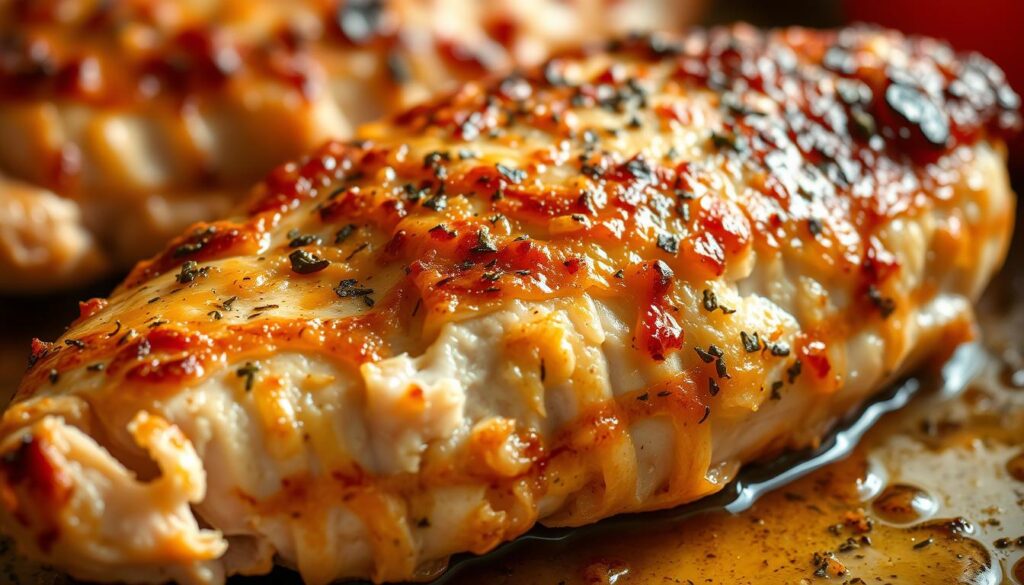
Imagine coming home after a long day and wanting a meal that feels like a hug. This italian baked chicken breast recipe is perfect for those moments. It’s simple yet satisfying, making it a go-to for busy evenings.
With just a few ingredients like chicken breasts, olive oil, garlic powder, and Italian seasoning, you can create tender chicken at home. The process is easy: flatten thick pieces, cover them in a flavorful paste, and bake at 400°F. Wait until they reach 165°F for the juiciest results.
This recipe is part of a collection of easy chicken dishes great for weeknights and meal prep. It’s a delicious, hassle-free option that’s packed with flavor and nutrients. Serve it up and enjoy a meal that’s both satisfying and stress-free.
Table of Contents
Introduction to Italian Baked Chicken Breast
The classic Italian baked chicken breast is a hit for its bright Mediterranean flavors. It’s easy to make and uses simple ingredients. A short bake at 400°F keeps the meat juicy.
What Makes This Recipe Unique?
This recipe uses Italian seasoning blends for authentic flavor. Olive oil and garlic make a paste that seals in taste. Baking at a high temperature ensures tender chicken.
Health Benefits of Chicken Breast
Boneless, skinless chicken breast is a lean protein. It has about 24–40 grams of protein per serving. Carbs and fat are low, thanks to olive oil.
Herbs and limited salt make it a balanced meal. Lighter versions have about 180 calories per serving. Richer marinades can reach 300–350 calories, making it diet-friendly.
Key Ingredients Overview
Start with boneless, skinless chicken breasts, olive oil, garlic powder, and Italian seasoning. Use 1–2 tablespoons oil, 1 teaspoon to 1 tablespoon seasoning, and about ½ teaspoon salt per pound. Add black pepper and paprika for depth and color.
Optional additions include bottled Italian salad dressing and vegetables like bell peppers and zucchini. These choices make the dish versatile for weeknight meals.
Essential Cooking Equipment
Before you start baking, gather a few key tools. They make the recipe easy and reliable. These tools are common and help you focus on flavor when trying new chicken recipes.
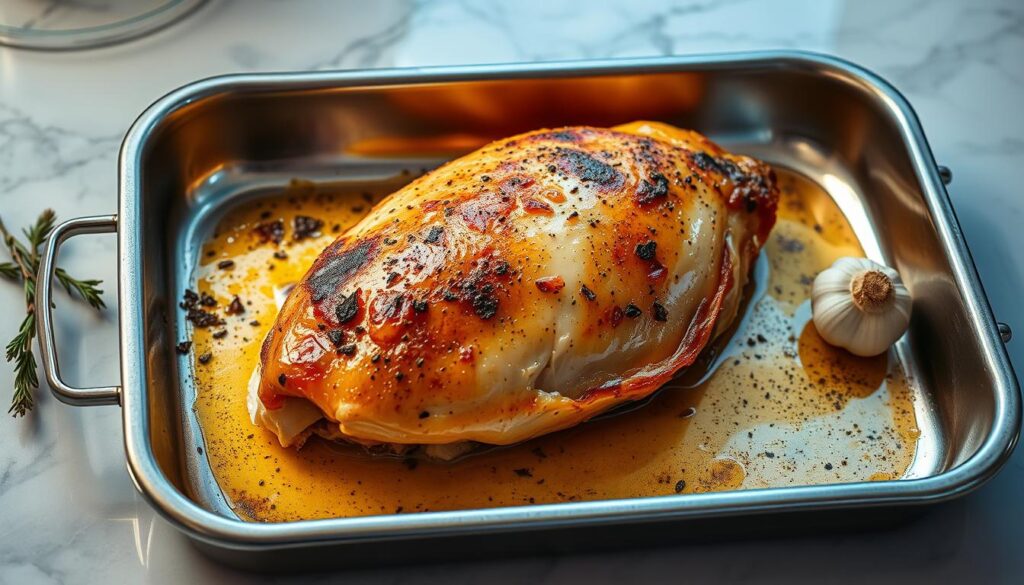
Recommended Bakeware
Use a rimmed baking sheet with parchment paper for even browning. A lightly greased 9×13-inch baking pan is great for catching juices or roasting veggies with the chicken.
Sheet pans with a rim keep juices in and promote airflow. A sheet pan divider helps keep flavors separate without extra pans.
Useful Kitchen Tools
An instant-read meat thermometer is key to ensure the chicken reaches 165°F safely. Start checking after 20–22 minutes for perfect timing.
Pound uneven breasts with a meat mallet or rolling pin for even cooking. Tongs or a spatula help transfer chicken without piercing, keeping juices in.
Mixing bowls are great for blending seasonings or marinades. Use resealable plastic bags for marinating with bottled Italian dressing. Keep aluminum foil, a cutting board, and a sharp knife ready for resting and slicing.
| Item | Why it matters | Tip |
|---|---|---|
| Rimmed baking sheet | Promotes even heat and catches drips | Line with parchment for easy cleanup |
| 9×13-inch baking pan | Holds juices and fits family-size portions | Lightly oil to prevent sticking |
| Instant-read thermometer | Ensures safe, juicy results | Check at 20–22 minutes for average breasts |
| Meat mallet or rolling pin | Creates even thickness for uniform cooking | Cover chicken with plastic to avoid splatter |
| Tongs and spatula | Move chicken without piercing | Use silicone-tipped tongs for nonstick pans |
| Mixing bowls & resealable bags | For marinades and seasoning mixes | Marinate in the fridge up to 2 hours |
| Aluminum foil, cutting board, chef’s knife | For resting, covering, and slicing | Let chicken rest 5 minutes before slicing |
Preparing the Chicken Breast
Starting with the chicken is key to making great italian chicken dishes. A quick prep ensures the chicken stays moist and flavorful. Begin by drying the breasts with a paper towel.
Check if the breasts are even in thickness. If not, pound the thinner parts to make them even. This helps the chicken cook evenly without drying out.
Marinating Process
There are two ways to marinate the chicken. The first is a quick mix of olive oil, garlic powder, Italian seasoning, salt, and black pepper. Rub this paste on the chicken just before baking for a burst of flavor.
The second method uses Italian-style salad dressing in a bag. Marinate for at least an hour or overnight to enhance taste and tenderness. Remove excess dressing before baking to prevent soggy skin.
Seasoning Options
The main spices are garlic powder, Italian seasoning, salt, and black pepper. Adding olive oil helps the spices stick and keeps the chicken moist.
For a twist, try adding paprika for color, seasoned salt for more depth, or red pepper flakes for heat. Sprinkle fresh parsley or basil on top after baking to add freshness and tie in with other italian cooking techniques.
If you want a crispy crust, coat the marinated chicken in breadcrumbs before baking. This will give you flavorful chicken with a crunchy outside.
Importance of Brining
Brining the chicken briefly can make it juicier. Use a salt-and-water solution for 15 to 30 minutes. Rinse and pat dry before seasoning.
Pounding the chicken makes it even and tender. This step ensures the chicken cooks evenly and stays moist.
Baking Instructions
Follow this easy method to bake a tender italian baked chicken breast every time. This guide covers prep, placement, and tips for judging doneness. Always use an instant-read thermometer to check the internal temperature, not just cooking times.
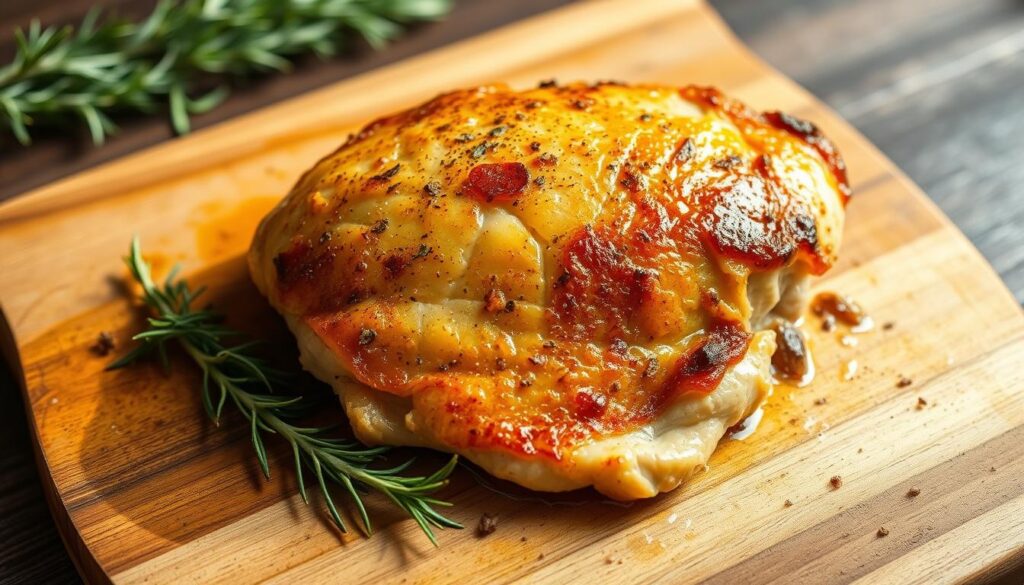
Step-by-step guide
- Preheat your oven to 400°F so it’s hot and ready when you place the pan in.
- Line a rimmed baking sheet with parchment or lightly grease a 9×13-inch baking pan.
- If breasts are uneven, pound or butterfly to an even thickness for uniform cooking.
- Mix olive oil, garlic powder, Italian seasoning, salt, and pepper into a paste, or toss breasts in bottled Italian dressing or marinade.
- Arrange breasts on the prepared pan and spread the seasoning evenly. Add sliced zucchini, mushrooms, or peppers around the chicken for a sheet-pan meal.
- Bake uncovered and begin checking with an instant-read thermometer at 20–22 minutes for average-sized boneless breasts.
- Remove the pan when the thermometer reads 165°F, then let the meat rest for 5 minutes before slicing so juices redistribute.
Cooking times and temperatures
| Breast size | Oven temp | Estimated cooking times | Notes |
|---|---|---|---|
| Average boneless (5–7 oz) | 400°F | 20–26 minutes | Check with an instant-read thermometer at 20 minutes to avoid overcooking. |
| Large or marinated breasts | 400°F | 26–35 minutes | Marinades and extra thickness raise cooking times; verify internal temp of 165°F. |
| Whole unbutterflied breasts | 350°F | Up to 1 hour | Lower temp requires longer time; monitor with an instant-read thermometer for safety. |
Timing tips
Use the table as a guide, not a rule. Oven models and breast thickness vary. An instant-read thermometer is the most reliable check for doneness.
Rest the chicken for about 5 minutes after baking. This short pause keeps the baked chicken juicy and improves texture.
Serving Suggestions
Pairing your Italian baked chicken breast makes a simple dish memorable. Use bright sides and light grains to balance the savory chicken. Here are tasty ideas for weeknights and weekends.
Best Side Dishes to Pair
Roasted asparagus with lemon adds freshness. A simple pasta with olive oil, garlic, and herbs offers Italian comfort. For a gluten-free option, try quinoa or brown rice.
Sautéed mushrooms, onions, zucchini, and bell peppers make a tasty vegetable medley. Mexican-style cauliflower rice adds spice and texture. A carrot raisin salad or a crisp green salad adds color and crunch.
Garnishing Tips
Finish with freshly chopped parsley or basil for aroma and color. A drizzle of pan juices or extra-virgin olive oil enhances flavors. Offer lemon wedges for extra acidity.
For an Italian touch, sprinkle Parmesan before serving. Keep garnishes simple so the chicken’s flavors shine.
Creating a Complete Meal
Use leftover chicken in salads, sandwiches, or casseroles. Store cooked chicken in airtight containers for up to four days or freeze for later.
For family dinners, serve chicken with roasted veggies and a simple starch, plus a green salad. These combinations make a balanced, satisfying meal without extra effort.
Tips for Perfecting Your Italian Baked Chicken
Getting your italian baked chicken just right is all about paying attention and timing. Use an instant-read thermometer to check for doneness at about 20 minutes for average breasts. This helps avoid overcooking. Make sure to pound or butterfly uneven pieces to ensure even cooking.
Brush the chicken with olive oil or a short marinade. This keeps the meat moist and helps the seasonings stick better.
Common Mistakes to Avoid
Don’t just rely on the clock. Temperatures and thickness can vary. Always aim for an internal temperature of 165°F. Skipping oil or marinade can dry out the chicken.
Baking at too-low heat without extra time can also make the meat dry. On the other hand, very high heat can brown the outside too quickly. So, keep a close eye on it.
Storage and Reheating Suggestions
For leftovers, store them in an airtight container in the fridge for up to four days. If freezing, slice or chop first and thaw in the fridge. Reheat gently in a 300–325°F oven, a lightly oiled skillet, or the microwave covered with a damp paper towel.
Add a splash of broth or olive oil to keep it juicy. Always reheat to 165°F before serving.
Variations to Try
Try marinating with bottled Italian dressing for an hour or overnight. You can also add paprika, seasoned salt, or red pepper flakes for extra flavor. For a crusted bake, dredge in breadcrumbs.
Top with marinara and sliced mozzarella for a quick chicken Parmesan. Roast mixed vegetables on the same sheet pan for a one-pan Italian chicken dinner. Swap fresh basil, oregano, or rosemary to change the aroma and flavor.
FAQ
What makes this Tender Italian Baked Chicken Breast recipe unique?
Are there health benefits to using boneless, skinless chicken breast?
What are the key ingredients I need for this Italian baked chicken?
What bakeware is best for baking these chicken breasts?
Which kitchen tools are essential for reliable results?
How should I marinate the chicken for best flavor and tenderness?
What seasoning options can I use beside the basics?
Is brining necessary for this recipe?
What is the step-by-step method for baking the chicken?
How long should I bake boneless, skinless chicken breasts at 400°F?
What side dishes pair well with Italian baked chicken breast?
How should I garnish and finish the dish?
How can I turn baked chicken into a complete meal or use leftovers?
What common mistakes should I avoid when baking chicken breasts?
How should I store and reheat leftover Italian baked chicken?
What tasty variations can I try with this base recipe?
If you enjoyed this Recipe, don’t miss our other delicious desserts on Here — you’ll find easy ideas, tips, and inspiration for every occasion. For more festive recipes and global favorites, check out WhatForDinner.com and discover what everyone’s cooking next!