
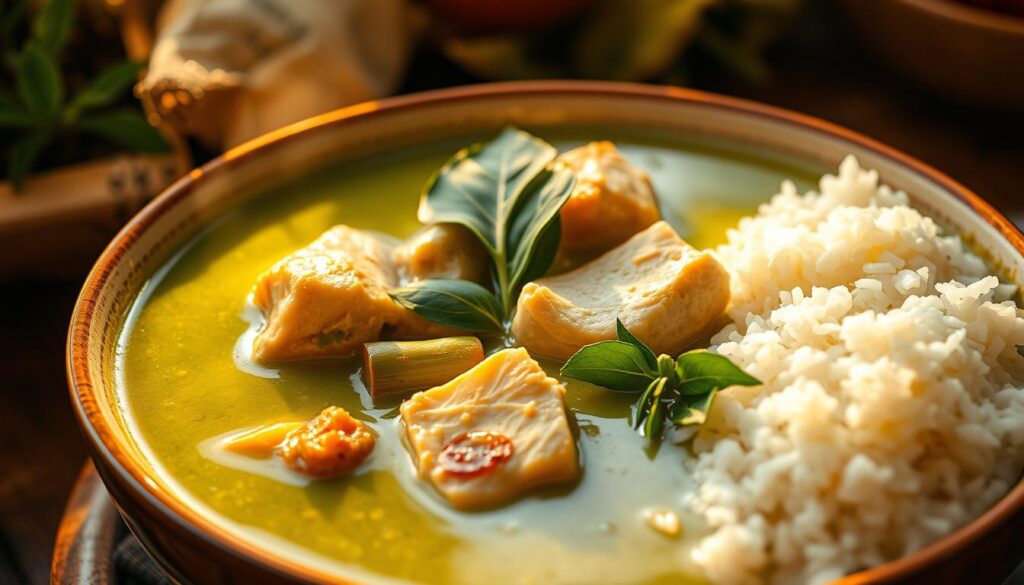
Do you remember the first time a bowl of steaming, fragrant curry truly captivated you? That moment when the complex aroma hits you, promising a symphony of flavors. For many, this experience comes from a classic, vibrant dish known for its perfect balance.
This guide is your personal journey to recreating that magic in your own kitchen. We will explore how to build this beloved meal from the ground up. You can choose a quick path with a store-bought paste or embrace the art of making your own for ultimate authenticity.
The secret to its signature color lies not in the herbs added at the end, but in the fresh chilies pounded into the paste. Mastering the simple technique of frying the paste first unlocks deep, aromatic flavors that form the soul of the dish.
Whether you prefer chicken, seafood, or a vegetarian option, this method is wonderfully adaptable. It empowers you to create a restaurant-quality meal that feels both exotic and comforting.
Key Takeaways
- This dish is celebrated for its harmonious blend of spicy, sweet, and savory notes.
- The guide offers both a quick 30-minute version and a from-scratch method for homemade paste.
- The vibrant green color comes primarily from fresh green chilies in the curry paste.
- Frying the curry paste before adding liquids is a critical step for developing deep flavor.
- The recipe is highly flexible, accommodating various proteins like chicken, seafood, or tofu.
- You can achieve authentic, impressive results whether you are a beginner or an experienced cook.
Introduction to Thai Green Curry
The name “gaeng keow wan” offers the first clue to the character of this iconic meal. It translates directly to “sweet green curry,” hinting at its intended flavor profile within the spectrum of Thai cuisine.
Cultural and Culinary Background
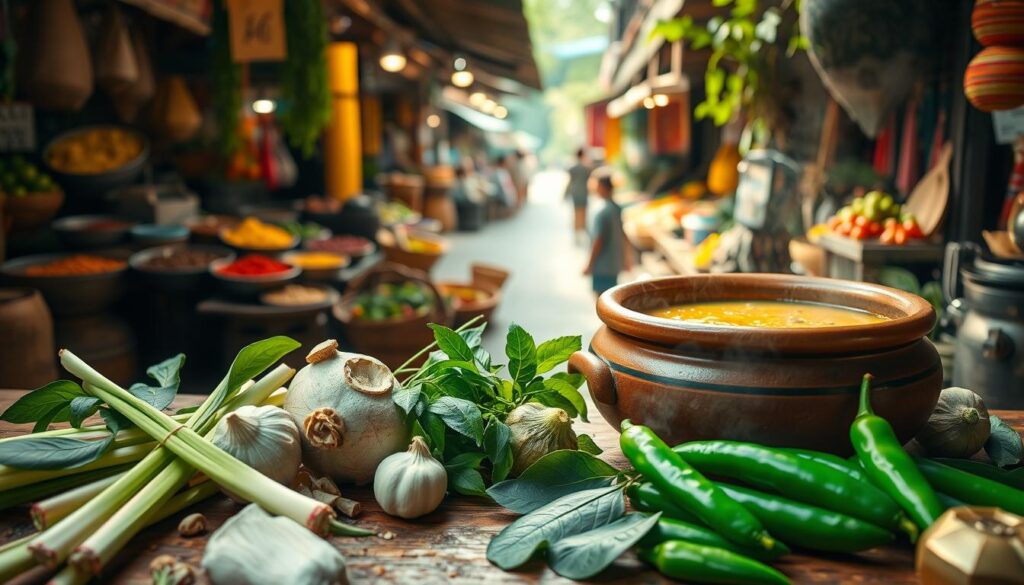
This preparation represents a pinnacle of Central Thai culinary art. It masterfully combines fragrant herbs, spices, and rich coconut cream.
The result is a harmonious dish known for its sophisticated balance. While the name suggests sweetness, an authentic version achieves a nuanced blend. It is also recognized as one of the spiciest options available.
Why This Recipe Stands Out
Our guide provides a flexible path to success. You can create a flavorful version in about 30 minutes using a quality store-bought paste. Alternatively, you can dedicate time to crafting a homemade paste for unparalleled depth.
Home cooking gives you complete control over the final result. You decide the richness of the coconut cream and the perfect balance of seasonings. This often leads to a superior meal compared to what you might find elsewhere.
Proper cooking technique is essential for authentic flavor and that vibrant color. This recipe ensures you master key steps like frying the paste correctly. Understanding these methods helps you appreciate the tradition while adapting the dish to your taste.
Essential Ingredients for a Flavorful Curry
Mastering this dish requires understanding how each component contributes to the final flavor profile. The right selection ensures authentic taste and proper texture.
Key Elements: Coconut Milk, Curry Paste, and Herbs
Full-fat coconut milk forms the creamy foundation that carries all the flavors. The fat content is essential for richness. Low-fat versions create a thin, disappointing sauce.
Your curry paste serves as the flavor powerhouse. Quality store-bought options like Maesri deliver excellent results. Homemade paste offers maximum freshness and customizable spice levels.
Fresh herbs like kaffir lime leaves and Thai basil provide distinctive aromatic notes. They add earthy citrus and anise-like flavors that define the dish.
Understanding the Role of Each Ingredient
Every component has a specific purpose in creating the balanced flavor. Chicken thighs stay juicy during simmering. Asian eggplant absorbs the sauce beautifully while holding its shape.
Fish sauce adds umami depth without tasting fishy once cooked. Palm sugar provides balancing sweetness. Fresh lime juice adds brightness at the end.
| Ingredient | Primary Function | Key Characteristics | Best Alternatives |
|---|---|---|---|
| Coconut Milk | Creamy base | Full-fat for richness | Coconut cream |
| Curry Paste | Flavor foundation | Green chilies for color/heat | Homemade version |
| Kaffir Lime Leaves | Aromatic citrus | Earthy fragrance | Lemongrass |
| Thai Basil | Fresh finish | Anise-like flavor | Regular basil |
| Fish Sauce | Umami saltiness | Balances sweetness | Soy sauce (veg) |
Preparing and Pounding the Green Curry Paste
Your choice of paste preparation method will significantly impact the final character and authenticity of your curry creation. This crucial step determines whether you achieve subtle complexity or straightforward convenience.
Homemade Versus Store-Bought Options
Store-bought paste offers quick results with brands like Maesri delivering balanced flavor. For enhanced freshness, add minced garlic, grated ginger, and lemongrass to jarred products.
Homemade versions provide unmatched aromatic depth but require more time. Traditional pounding extracts essential oils that machines cannot replicate.
Tips for Achieving a Smooth, Fragrant Paste
Proper ingredient preparation is essential for quality results. Dry-roast spices briefly to unlock their full aromatic potential before incorporating them.
The final texture should be completely smooth with no visible chili seeds remaining. This indicates proper breakdown of all components.
| Preparation Method | Time Required | Flavor Quality | Best For |
|---|---|---|---|
| Traditional Mortar & Pestle | 1.5-2 hours | Superior depth | Authentic enthusiasts |
| Food Processor | 20-30 minutes | Excellent balance | Time-conscious cooks |
| Enhanced Store-Bought | 5 minutes prep | Very good | Quick weeknight meals |
The true test of a well-made paste is its ability to release complex aromas when heated, creating layers of flavor that build throughout cooking.
Step-by-Step Cooking Method
Achieving restaurant-quality results at home depends on mastering a few essential steps. The process unfolds in logical stages that build flavor systematically.
Frying the Curry Paste and Aromatics
Begin by heating 2 tablespoons of vegetable oil in a heavy-based pot over medium-high heat. Once the oil shimmers, add your curry paste along with any fresh aromatics like garlic or ginger.
Cook the paste for 2-3 minutes, stirring constantly. This critical step develops deep aromatic flavors and removes raw notes. The paste will dry out and become intensely fragrant.
Simmering with Protein and Vegetables
After frying the paste, add half of your coconut milk and simmer for about 2 minutes. The coconut milk will absorb the paste and turn a beautiful green color.
Add the remaining coconut milk along with 1 cup of broth or water. Bring to a gentle simmer before adding your protein. Chicken pieces need approximately 7 minutes to cook through.
Add vegetables in stages according to their cooking times. Firmer vegetables like eggplant need about 5 minutes, while quicker-cooking options like snow peas require only 2-3 minutes.
The total active cooking time spans approximately 20 minutes once the paste is fried. Stop simmering once you add final ingredients to preserve the vibrant color.
Mastering Thai Green Curry Technique
Perfecting the flavor balance is what separates a good curry from an exceptional one. This requires careful attention to seasoning throughout the cooking process.
Balancing Spiciness, Sweetness, and Saltiness
The sauce should be thinner than red varieties. Extended simmering darkens the color and reduces freshness.
Seasoning needs vary significantly between paste types. Store-bought versions are more concentrated than homemade alternatives.
| Paste Type | Fish Sauce | Sugar | Salt |
|---|---|---|---|
| Store-Bought | 1 teaspoon | 1 teaspoon | None initially |
| Homemade | 3 teaspoons | 3 teaspoons | 1/8 teaspoon |
Dialing in the Authentic Thai Flavor
Always taste after initial seasoning. Add more fish sauce or salt if the flavor seems flat. Include small amounts of sugar if the heat feels overwhelming.
Fresh lime juice added at the end provides bright citrus notes. Thai basil leaves should wilt gently in residual heat without overcooking.
The final result should be fragrant and balanced. Avoid excessive sweetness common in restaurant versions.
Customizing Your Thai Green Curry for Dietary Preferences
Whether you’re cooking for vegetarians, vegans, or meat lovers, this recipe offers flexible options for everyone. The dish’s adaptable nature makes it perfect for accommodating different dietary needs while maintaining authentic flavors.
Vegetarian and Vegan Tweaks
Creating meat-free versions is straightforward with simple substitutions. Use vegetable broth instead of chicken broth for vegetarian preparations.
For vegan adaptations, choose firm tofu as your protein and pan-fry it until golden before adding. Replace fish sauce with light soy sauce or additional salt to maintain the umami balance.
| Dietary Preference | Broth Substitute | Protein Choice | Sauce Adjustment |
|---|---|---|---|
| Vegetarian | Vegetable broth | Tofu, vegetables | Standard fish sauce |
| Vegan | Vegetable broth | Pan-fried tofu | Light soy sauce or salt |
| Pescatarian | Vegetable or fish broth | Shrimp, fish | Standard fish sauce |
Alternative Proteins and Vegetable Variations
Protein choices extend beyond traditional chicken to include shrimp, fish, beef, or pork. Quick-cooking seafood like shrimp needs only 3-5 minutes in the simmering sauce.
For meat options, sear quick-cooking cuts before adding them to finish cooking in the curry. This ensures proper texture and flavor development.
Vegetable options are virtually limitless. Classic choices include Asian eggplant and snow peas. Heartier vegetables like sweet potatoes benefit from pre-cooking before adding to the finished dish.
The flavorful sauce enhances whatever ingredients you choose, making this an ideal recipe for using seasonal produce or accommodating preferences.
Serving, Garnishing, and Storing Your Curry
Proper serving techniques and thoughtful garnishes elevate your homemade dish to restaurant-quality standards. The final presentation enhances both visual appeal and flavor complexity.
Classic Serving Suggestions with Jasmine Rice
Steamed jasmine rice provides the perfect foundation for your aromatic creation. Its neutral, fragrant base soaks up the flavorful sauce beautifully.
Time your rice preparation to finish when the main dish is ready. This ensures you serve everything at its peak freshness. The vibrant color remains bright when served immediately.
Creative Garnish Ideas and Preservation Tips
Crispy fried Asian shallots add terrific texture and savory depth. These crunchy toppings are available at most supermarkets.
Fresh herb garnishes like basil leaves and cilantro provide aromatic brightness. Lime wedges allow diners to customize citrus notes to their taste.
| Garnish Type | Flavor Contribution | Preparation | Best Uses |
|---|---|---|---|
| Crispy Shallots | Salty, crunchy texture | Store-bought or homemade | All serving styles |
| Fresh Basil Leaves | Aromatic, anise-like | Whole leaves scattered | Final presentation |
| Lime Wedges | Bright citrus acidity | Freshly cut | Individual customization |
| Chili Slices | Additional heat | Thinly sliced | Spice enthusiasts |
Store leftovers in airtight containers for up to three days. The flavors often improve overnight. Reheat gently with a splash of coconut milk to restore sauce consistency.
Conclusion
You now possess all the tools to create an authentic and impressive meal. This guide has equipped you with the knowledge to master the techniques, from frying the paste to balancing the final seasonings.
Whether you choose a quick version or a from-scratch approach, you can achieve the perfect balance of spicy, sweet, and savory notes. The flexibility of this dish allows you to use your preferred protein and vegetables.
Understanding the role of each ingredient, like kaffir lime leaves and fish sauce, empowers you to make informed choices. You can adapt the recipe to suit any dietary need without losing its essential character.
This aromatic and creamy dish is a rewarding addition to your cooking skills. Enjoy bringing these vibrant flavors to your table whenever the craving strikes.